
According to the recently released 2023 Global Peace Index by the Institute for Economics and Peace, Iceland has emerged as the number one most peaceful country in the world. This small Nordic nation has consistently demonstrated an unwavering commitment to peace and security, setting an example for the rest of the world.
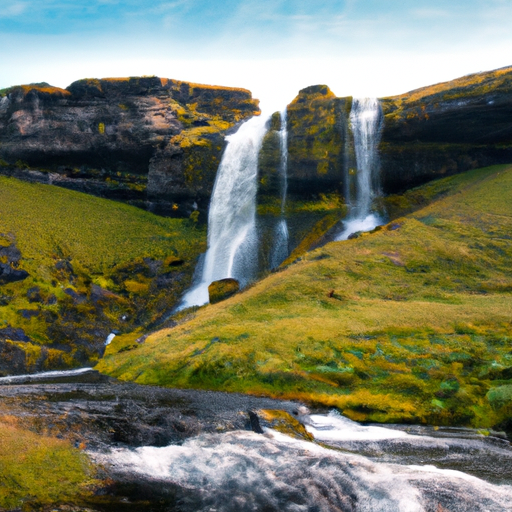
The Global Peace Index is a comprehensive measure that takes into account a range of indicators, including levels of violence, organized conflict, political instability, and militarization. With its pristine landscapes, low crime rates, and peaceful political climate, Iceland has excelled in each of these categories, earning it the top spot on the index.
One of the key reasons behind Iceland’s unparalleled tranquility is its strong social cohesion and stable governance. The country’s population of around 370,000 people enjoys a remarkable level of trust and support within their communities, fostered by a well-functioning welfare state and egalitarian values. This sense of solidarity acts as a buffer against social unrest and contributes to the overall peacefulness of the nation.
Moreover, Iceland’s commitment to disarmament and non-aggression has played a crucial role in maintaining its peaceful status. Unlike many other nations, Iceland does not have a standing army, relying on its membership in the North Atlantic Treaty Organization (NATO) for defense. This unique approach to national security has allowed the country to allocate resources towards social programs, education, and environmental protection, further strengthening its peaceful identity.
Iceland’s dedication to peace extends beyond its domestic affairs. The nation is internationally recognized for its active engagement in peacekeeping missions and humanitarian efforts. The Icelandic government has consistently contributed to United Nations peacekeeping operations, offering its assistance in conflict-stricken regions around the world. This commitment to global peace demonstrates Iceland’s firm belief in the importance of collective security and its determination to actively contribute to a safer world.
As the global community faces increasing challenges related to conflict, violence, and instability, Iceland serves as a shining example of what can be achieved through prioritizing peace and fostering a culture of collaboration. The country’s success in maintaining its position as the world’s most peaceful nation serves as an inspiration for others to work towards similar heights.
Nevertheless, Iceland’s top ranking on the Global Peace Index does not mean the country is without its own challenges. Like any society, it continues to grapple with issues such as socioeconomic inequality and the integration of immigrants. However, the country’s commitment to addressing these issues through peaceful and inclusive means sets it apart from many other nations.
As the world faces an uncertain future, marked by increasingly complex geopolitical dynamics and environmental challenges, Iceland stands as a beacon of hope. Its success in creating a peaceful society serves as a reminder that peace is not merely the absence of violence but a state that can be achieved through deliberate actions and policies.
Iceland’s position as the most peaceful country in the world is a testament to the power of collective efforts and a reminder of the immense benefits that arise from prioritizing peace. If other countries take heed of Iceland’s example, we may see a future where peace becomes the fundamental bedrock upon which societies thrive.