
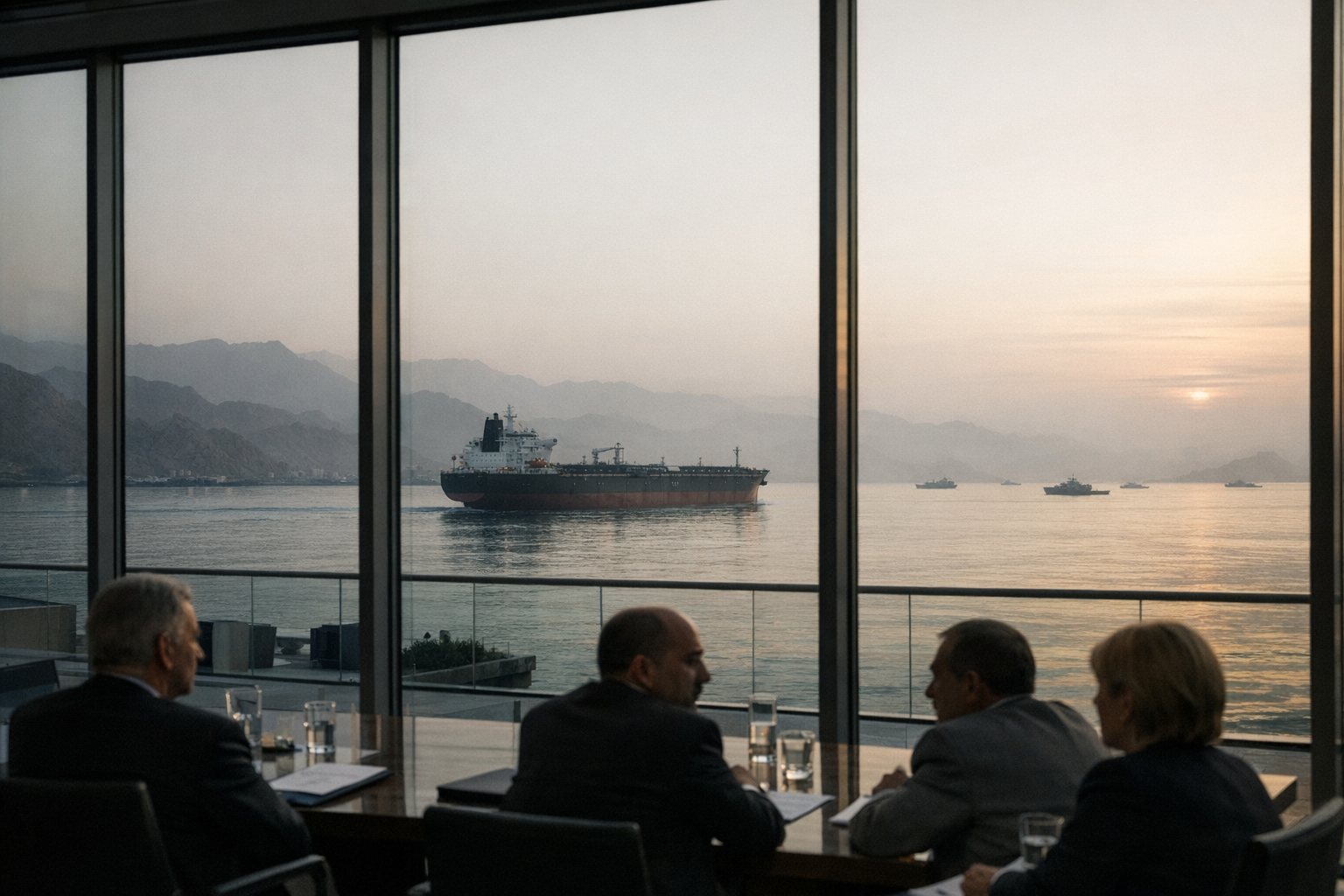
American and Iranian negotiators meeting in Switzerland said on Sunday that they had made significant progress toward a broader agreement, with U.S. officials pointing to a potentially important breakthrough on nuclear inspections even as renewed disruption in the Strait of Hormuz threatened to undercut the fragile diplomatic opening.
Vice President JD Vance said after the talks that Iran had agreed to allow inspectors from the International Atomic Energy Agency to return, calling the development a major step forward. Mediators from Qatar and Pakistan said the two sides had also established a roadmap aimed at reaching a final deal within 60 days and were now moving into a more technical phase of negotiations.
The advances suggested that the talks were beginning to move beyond last week’s emergency understandings, which helped halt open warfare, and into the more difficult work of implementation: verification, sanctions relief and enforcement.
But the sense of momentum was tempered by events in one of the world’s most strategically sensitive waterways. Iran again declared the Strait of Hormuz closed, reviving fears of a choke point for global energy supplies just as diplomats were trying to stabilize the region. Shipping trackers indicated that some Iranian tankers were still moving through the strait, but commercial traffic broadly remained hesitant, underscoring the gap between political declarations and operational reality.
A tangible step on the nuclear issue
If carried out, the return of IAEA inspectors would amount to one of the clearest concrete steps yet toward addressing the central issue dividing Washington and Tehran: how to verify limits on Iran’s nuclear activities in exchange for relief from economic pressure.
That question has been especially sensitive since June 2025, when the IAEA halted verification work and withdrew inspectors after attacks on Iranian nuclear sites and Tehran’s suspension of cooperation. Since then, diplomats and nonproliferation experts have warned that any future accord would be difficult to sustain without a credible inspection regime.
For that reason, the statement from Vance was closely watched in diplomatic and market circles alike. While the broad political commitment is significant, major questions remain unresolved, including how quickly inspectors would return, what access they would receive and whether monitoring arrangements would be restored in full.
The mediators’ statement pointed to the shape of the next phase: lower-level officials are expected to continue technical discussions through the week, trying to settle the sequencing of Iranian nuclear steps and possible U.S. sanctions relief.
Those talks build on the Islamabad Memorandum of Understanding reached last week, which paused the fighting and opened a 60-day window for negotiations over Iran’s nuclear program and related economic measures. Sunday’s developments indicated that the window may now be narrowing toward a more formal bargain, though still one vulnerable to political shocks on all sides.
Hormuz returns as a pressure point
Even as diplomats projected optimism, the Strait of Hormuz re-emerged as a test of whether de-escalation on paper can translate into stability at sea.
The narrow channel, through which a large share of the world’s seaborne oil and gas passes, has long given Iran leverage far beyond its coastline. Any sustained disruption there can ripple quickly through energy prices, shipping insurance and global trade flows.
This latest closure declaration appeared to leave markets struggling with a familiar problem: how much of Tehran’s threat is political signaling, and how much will materially impede traffic. Industry data suggested that while Iranian vessels continued to transit the strait, broader commercial shipping remained cautious, partly because of security fears, possible mines and soaring insurance costs.
That hesitation matters almost as much as an outright blockade. Tanker traffic does not need to stop entirely to generate economic strain; a slowdown alone can tighten supply chains and raise costs across energy and commodity markets.
Investors were already showing signs of unease. U.S. Treasury yields edged higher before key inflation data, as traders weighed both the diplomatic progress and the risk that renewed instability around Hormuz could complicate the economic outlook. Markets were also confronting a familiar pattern in U.S.-Iran relations: optimism over a framework agreement followed almost immediately by fresh tension over enforcement and regional conflict.
Diplomacy under pressure
The talks in Switzerland unfolded against a volatile backdrop. The current negotiating track emerged after last week’s ceasefire-style arrangement, but it has been repeatedly strained by public threats, political criticism in Washington and unresolved fighting involving Iran-backed forces in the region, particularly in Lebanon.
That has made the new negotiating architecture unusually fragile. On one side is a push to convert a temporary halt in conflict into a structured agreement with inspections, sanctions waivers and deadlines. On the other is a persistent risk that events outside the room — a military strike, a shipping incident, or renewed proxy conflict — could derail the process before its technical details are settled.
The choice of mediators reflects that fragility. Qatar has long played a role in regional shuttle diplomacy, while Pakistan’s involvement has added a political channel with credibility in both Washington and Tehran. Their joint statement describing a “high-level committee” and a technical phase suggested an effort to impose discipline on a process that has often lurched between crisis management and grand bargaining.
Why this moment matters
For now, the negotiations appear to have entered a more consequential stage. The reported agreement on inspections, if implemented, would address a central concern of any durable nuclear arrangement: whether the outside world can verify what Iran is doing. The 60-day roadmap, meanwhile, signals that both sides are trying to move from broad promises to deadlines and mechanisms.
Yet the simultaneous turmoil in Hormuz is a reminder that the success of any deal will not be judged only in conference rooms. It will also be measured in whether oil keeps flowing, insurers regain confidence, and regional flash points — especially in Lebanon and the Gulf — stop generating crises faster than diplomats can contain them.
The result is a picture of progress, but not stability: a negotiation edging forward on substance while the forces that could unravel it remain very much in motion.
Sources
Further reading and reporting used to add context:
- https://www.axios.com/2026/06/22/iran-un-inspectors-vance
- https://www.axios.com/2026/06/21/us-iran-talks-jd-vance-switzerland-lebanon-nuclear
- https://www.axios.com/2026/06/22/trump-iran-deal-switzerland-nuclear
- https://apnews.com/article/4bbde727c7095c4ad9da0285ca79f1e1
- https://www.axios.com/2026/06/20/vance-iran-talks-switzerland
- https://www.thedailybeast.com/trump-administration-scrambles-after-vances-embarrassing-snubbing-video/
- https://www.semafor.com/article/06/22/2026/encouraging-progress-in-us-iran-talks
- https://www.enca.com/opinion/key-points-first-round-iran-us-talks
- https://www.investing.com/news/world-news/highwire-diplomacy-delivered-usiran-deal-but-hardest-stage-lies-ahead-sources-say-4750528
- https://www.hidabroot.com/article/21773
- https://www.breitbart.com/news/jd-vance-says-u-n-nuclear-inspectors-will-go-back-into-iran/
- https://www.investing.com/news/commodities-news/shipping-traffic-through-hormuz-still-largely-halted-4626178
- https://www.mitrade.com/insights/commodity-analysis/oil-news/fxstreet-USOILUKOIL-202606221013
- https://www.aa.com.tr/en/world/vance-says-nuclear-inspectors-to-return-to-iran-under-peace-deal/3968087
- https://www.al-monitor.com/originals/2026/06/iran-announces-closure-strait-hormuz-after-us-attacks
- https://www.cbsnews.com/news/vance-iran-deal-billions-of-dollars-in-assets-cbs-mornings-interview/
- https://www.moneycontrol.com/world/us-vice-prez-jd-vance-says-iaea-inspectors-will-definitely-return-to-iran-as-us-iran-deal-advances-article-13950351.html
- https://www.globaltimes.cn/page/202606/1364039.shtml
- https://en.wikipedia.org/wiki/2026_Strait_of_Hormuz_crisis
- https://www.reddit.com/r/news/comments/1ucgdmw/shipping_stalls_in_strait_of_hormuz_after_iran/
- https://www.iaea.org/ja/newscenter/focus/iran
- https://nucleus.iaea.org/sites/connect/lists/connectnews/idn.aspx?PageFirstRow=4171&Paged=TRUE&PagedPrev=TRUE&View=%7B3FE2278C-9A4F-4C2A-9769-26B0525AAB05%7D&p_DatePublished=20250610+08%3A30%3A00&p_ID=1811
- https://www.iaea.org/sites/default/files/documents/gov2025-50.pdf
- https://www.iaea.org/zh/news?type=4185
- https://www.iaea.org/ja/publications/documents/infcircs
- https://nucleus.iaea.org/sites/connect/lists/connectnews/idn.aspx?PageFirstRow=271&Paged=TRUE&View=%7B3FE2278C-9A4F-4C2A-9769-26B0525AAB05%7D&p_DatePublished=20250617+10%3A30%3A00&p_ID=1823
- https://nucleus.iaea.org/sites/connect/Lists/ConnectNews/DispForm.aspx?ContentTypeId=0x0100C65FCC388359664C820603F1528086B7&ID=1979
- https://www.iaea.org/publications/documents/infcircs/communication-from-the-permanent-mission-of-the-islamic-republic-of-iran-to-the-agency-3
- https://www.iaea.org/newscenter/statements/statement-fortieth-session-general-conference-international-atomic-energy-agency
- https://travel.state.gov/content/dam/visas/Bulletins/visabulletin_June2026.pdf
- https://www-news.iaea.org/EventList.aspx?pno=1&ps=10&sc=EventDate
- https://nucleus.iaea.org/sites/connect/lists/connectnews/idn.aspx?PageFirstRow=1321&Paged=TRUE&PagedPrev=TRUE&View=%7B3FE2278C-9A4F-4C2A-9769-26B0525AAB05%7D&p_DatePublished=20250613+20%3A00%3A00&p_ID=1812
- https://nucleus.iaea.org/sites/connect/Lists/ConnectNews/IDN.aspx?PageFirstRow=3151&Paged=TRUE&View=%7B3FE2278C-9A4F-4C2A-9769-26B0525AAB05%7D&p_DatePublished=20250704+06%3A15%3A00&p_ID=1866
- https://www.iaea.org/newscenter/statements/statement-board-governors
- https://adoption.state.gov/content/dam/visas/Diversity-Visa/DV-Instructions-Translations/DV-2026-Instructions-Translations/DV%202026%20Plain%20Language%20Instructions%20and%20FAQs.pdf
- https://www.iaea.org/sites/default/files/25/06/gov2025-25.pdf
- https://www.iaea.org/sites/default/files/24/09/iran-gc68.pdf
- https://www.kiplinger.com/news/live/fed-meeting-updates-and-commentary-june-2026
- https://www.axios.com/2026/05/18/yields-bonds-inflation-iran
- https://www.livemint.com/market/yields-rise-as-traders-weigh-possible-iran-deal-fed-policy-11781293404645.html
- https://smarthamtori.com/news/97687
- https://www.axios.com/2026/03/27/iran-war-treasury-inflation-rate-cuts
- https://www.livemint.com/market/treasuries-drop-as-jobs-data-iran-tensions-fuel-rate-hike-bets-11780890945086.html
- https://economictimes.indiatimes.com/markets/us-stocks/news/us-stock-market-treasury-yields-rise-after-strong-us-data-geopolitical-risks-fuel-inflation-fears/articleshow/131454986.cms
- https://www.investing.com/news/economy-news/us-treasury-yields-rise-as-middle-east-tensions-escalate-93CH-4724761
- https://www.livemint.com/market/us-yields-higher-as-uncertainty-surrounds-iran-talks-11780342625929.html
- https://netzender.com/cnbc-daily-open-trumps-iran-deal-is-days-away-yet-again
- https://au.investing.com/news/stock-market-news/stocks-rise-dollar-at-sixweek-high-as-focus-remains-on-usiran-talks-4451437
- https://intellectia.ai/news/etf/treasury-yields-steady-as-oil-prices-rise-amid-usiran-conflict
- https://www.fidelity.com/news/article/default/202605011522RTRSNEWSCOMBINED_L1N41E0S5_1
- https://www.the-independent.com/news/world/americas/us-politics/jd-vance-iran-deal-cnbc-interview-b2995956.html
- https://netzender.com/cnbc-daily-open-warshs-fed-debut-and-iran-us-deal-in-focus
- https://www.reddit.com/r/stocknear/comments/1uch01q/premarket_news_report_june_22_2026/
- https://en.wikipedia.org/wiki/Inflation_in_Iran
- https://www.investing.com/news/commodities-news/usiran-deal-allows-tehran-to-immediately-sell-oil-upon-signing-says-us-official-4745428
- https://www.gmanetwork.com/news/topstories/world/991424/iran-says-draft-us-deal-includes-oil-sanctions-waiver-nuclear-limits-asset-release/story/?order=5&top_picks=
- https://www.investing.com/news/commodities-news/white-house-sends-text-of-interim-usiran-agreement-to-us-congress-4750399
- https://www.investing.com/news/commodities-news/us-officials-says-iran-pact-signed-hormuz-traffic-will-rise-significantly-4742748
- https://www.investing.com/news/world-news/factboxthe-14point-draft-of-the-usiran-deal-4747942
- https://www.investing.com/news/world-news/us-official-says-parties-can-still-walk-away-from-iran-deal-sequencing-will-be-key-4747997
- https://www.marketscreener.com/news/u-s-iran-deal-allows-tehran-to-immediately-sell-oil-wsj-reports-ce7f5cdfde89f425
- https://www.boston.com/news/politics/2026/06/14/deal-is-reached-to-end-iran-war-and-trump-orders-stop-to-us-naval-blockade/
- https://www.washingtonpost.com/business/2026/06/17/iran-us-israel-war-oil-deal-june-17-2026/5360ce54-6a35-11f1-830e-133d20cadd28_story.html
- https://www.nbcwashington.com/news/national-international/strait-hormuz-reopen-us-lift-iran-sanctions-14-point-deal-seeking-end/4118316/
- https://international.astroawani.com/global-news/iran-says-draft-us-deal-includes-oil-sanctions-waiver-nuclear-limits-and-asset-release
- https://www.washingtonpost.com/politics/2026/06/18/us-iran-sign-initial-deal-end-war-open-strait-hormuz/?itid=hp-top-table-main_p001_f001
- https://apnews.com/article/01c1335e69e40f2ee921e25e59a18a71
- https://www.axios.com/2026/06/20/iran-strait-hormuz-closed-israel-lebanon
- https://www.theatlantic.com/economy/2026/06/trump-iran-deal-oil/687564/?utm_source=apple_news
- https://apnews.com/article/8304cc39c6ebe6f863f6f39ee6ce9768
- https://www.gmanetwork.com/news/topstories/world/978292/oil-gas-iran-strait-of-hormuz/story/
- https://straits.live/
- https://www.brecorder.com/news/40417651
- https://www.straitstimes.com/world/middle-east/shipping-still-mostly-halted-in-hormuz-strait-trackers
- https://ca.investing.com/news/commodities-news/oil-and-gas-majors-and-traders-suspend-shipments-via-hormuz-as-us-attacks-iran-sources-say-4486873
- https://hormuzstraitmonitor.com/
- https://www.streetinsider.com/Reuters/Oil%2Band%2Bgas%2Bmajors%2Band%2Btraders%2Bsuspend%2Bshipments%2Bvia%2BHormuz%2C%2Bsources%2Bsay/26084767.html
- https://m.au.investing.com/news/commodities-news/shipping-traffic-through-hormuz-still-largely-halted-4374685?ampMode=1
- https://www.gmanetwork.com/news/topstories/world/985534/iran-oil-tankers-turned-back-by-us-blockade-hormuz-traffic-sparse/story/
- https://m.investing.com/news/commodities-news/shipping-traffic-through-hormuz-remains-muted-with-no-usiran-deal-in-sight-data-shows-4638560?ampMode=1
- https://ca.investing.com/news/commodities-news/tankers-uturn-zigzag-pause-around-strait-of-hormuz-4073807
- https://www.axios.com/2026/05/04/strait-hormuz-closure-unthinkable-scenarios
- Vance says talks in Switzerland with Iranian officials set 'good foundation' for a deal to end war
- Iran to allow UN nuclear inspectors back in, Vance says
- White House sends text of interim US-Iran agreement to US Congress By Reuters
- US official says parties can still walk away from Iran deal, sequencing will be key By Reuters