
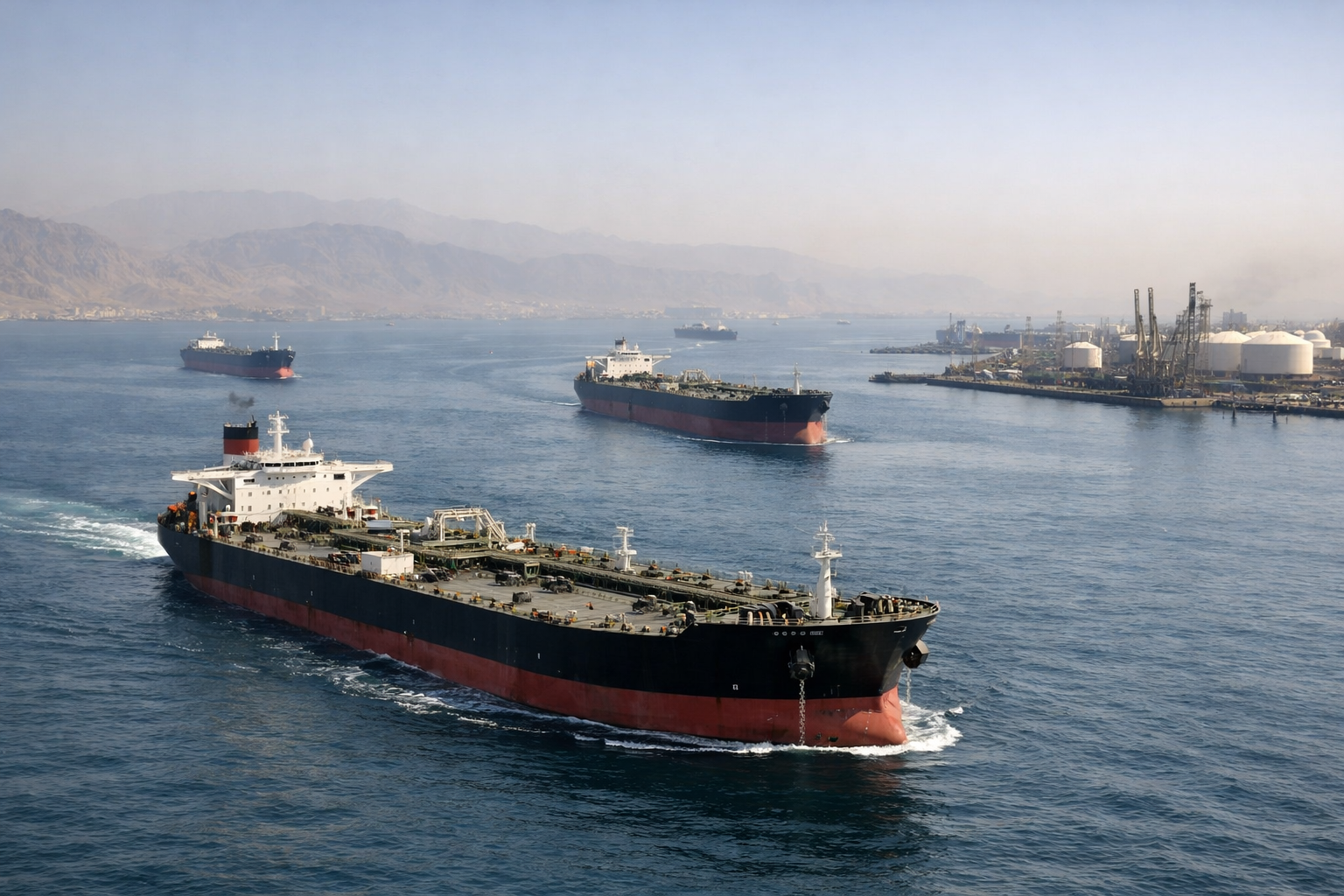
Oil prices swung uneasily on Wednesday after fresh signs of a breakdown in U.S.-Iran diplomacy raised new doubts about whether a fragile truce in the Gulf can hold, reviving concern over the security of one of the world’s most important oil chokepoints.
Brent crude, the international benchmark, traded around $72 to $73 a barrel after slipping again as Iranian officials said Tehran would not meet directly with American delegates in Doha. Qatari officials said the United States would instead speak with mediators, underscoring the extent to which a negotiating track that had helped calm markets is now under strain.
The renewed volatility comes after an extraordinary reversal in June, when Brent fell 21 percent for the month — its steepest drop since March 2020 — as traders bet that a cease-fire and the reopening of the Strait of Hormuz would keep crude flowing and prevent a wider supply shock.
Diplomacy Again Becomes the Market’s Main Gauge
The reaction in oil markets suggests that investors still see diplomacy, rather than immediate physical shortages, as the decisive factor in pricing Gulf risk. The Strait of Hormuz, a narrow waterway between Iran and Oman, is one of the world’s most critical energy arteries. Before the recent conflict, roughly one-fifth of global oil supply passed through it.
That helps explain why even a procedural setback in talks — a refusal to meet face to face, rather than a formal collapse in negotiations — can move prices.
The United States and Iran had reached a 14-point interim memorandum on June 17 that paused fighting and opened a 60-day window for broader negotiations, including over nuclear issues and freer passage through Hormuz. For markets, that agreement served as the foundation for a rapid easing in fears that tanker traffic could again be disrupted.
Now traders are reassessing how firm that foundation really is.
Supply Has Returned Faster Than Many Expected
One reason oil has not surged despite the diplomatic trouble is that actual flows through Hormuz have rebounded sharply since the blockade was lifted.
Iran has said it exported more than 40 million barrels of oil after the cease-fire, a sign of how quickly supply returned to the market. Iranian officials have also said they are selling crude at a 20 percent premium, reflecting robust demand and the value of restored access after weeks of disruption.
Shipping data reported in recent days pointed in the same direction. Around 20 million barrels were said to have exited Hormuz in a 24-hour period last week, with tanker traffic approaching prewar levels. That rebound has helped convince traders that the immediate threat of a severe supply crunch has receded, at least for now.
The result is a market being pulled in opposite directions: geopolitical risk is back in focus, but so is the reality of rising physical supply.
A Fragile Balance
That tension has left oil prices caught between fears of another diplomatic rupture and expectations that returning barrels from Iran and the broader Gulf could keep the market well supplied in the near term.
If indirect contacts in Doha are enough to preserve the cease-fire, traders may conclude that shipping through Hormuz can continue largely uninterrupted even without a breakthrough in direct diplomacy. In that case, the recent return of exports could continue to weigh on prices.
But if the negotiating process deteriorates further or is accompanied by military flare-ups, markets could quickly reprice the risk of disruption in the strait. Because so much of the world’s seaborne crude moves through that passage, any renewed threat to navigation would be likely to restore a geopolitical premium to oil.
For now, the market’s message is that peace in the Gulf is being treated as provisional rather than secure. Tankers are moving again, Iranian barrels are back, and prices remain far below the highs feared during the conflict. But with direct U.S.-Iran talks faltering, traders are being reminded how quickly confidence in Hormuz can ebb.
Sources
Further reading and reporting used to add context:
- US envoys arrive in Qatar for talks on Iran after weekend attacks | AP News
- https://www.axios.com/2026/06/28/us-and-iran-agree-to-halt-strikes-and-meet-this-week-us-official-says
- https://apnews.com/article/d1c0ec8aa84c0e5693b94f0cf0862bab
- Oil prices little changed but set for steepest monthly and quarterly losses since 2020 | MarketScreener
- https://www.investing.com/news/commodities-news/oil-markets-start-to-signal-nearterm-oversupply-as-tankers-exit-strait-of-hormuz-4758813
- https://za.investing.com/news/commodities-news/oil-extends-losses-as-trump-calls-off-planned-strikes-on-iran-4325196
- https://unn.ua/en/news/oil-prices-could-post-the-biggest-quarterly-drop-since-2020-amid-expectations-of-us-iran-talks-reuters
- https://au.investing.com/news/commodities-news/oil-falls-as-investors-focus-on-potential-iranus-talks-in-doha-4510223
- https://www.lse.co.uk/news/oil-set-for-steepest-quarterly-loss-since-2020-as-traders-focus-on-us-iran-talks-43401vjph2ca9uw.html
- https://www.brecorder.com/news/40427835/oil-falls-as-investors-focus-on-potential-iran-us-talks-in-doha
- https://energynews.today/2026/07/01/oil-prices-wobble-as-breakdown-in-u-s-iran-talks-casts-doubt-over-peace-process/
- https://www.internazionale.it/ultime-notizie-reuters/2026/07/01/uncertainty-over-qatar-diplomacy-clouds-prospects-for-us-iran-deal
- https://za.investing.com/news/world-news/uncertainty-over-qatar-diplomacy-clouds-prospects-for-usiran-deal-4349376
- https://www.streetinsider.com/Commodities/Oil%2Bset%2Bfor%2Bsteepest%2Bquarterly%2Bloss%2Bsince%2B2020%2Bas%2Btraders%2Bfocus%2Bon%C2%A0US-Iran%2Btalks/26708128.html
- https://ca.investing.com/news/commodities-news/oil-markets-start-to-signal-nearterm-oversupply-as-tankers-exit-strait-of-hormuz-4706000
- https://www.axios.com/2026/06/14/oil-prices-us-iran-war-hormuz-strait-peace-deal
- https://www.kiplinger.com/news/live/fed-meeting-updates-and-commentary-june-2026
- https://www.investing.com/news/commodities-news/oil-prices-fall-as-tankers-exit-strait-of-hormuz-4759517
- https://uk.marketscreener.com/news/oil-markets-start-to-signal-near-term-oversupply-as-tankers-exit-strait-of-hormuz-ce7f5fdbd08eff27
- https://www.investing.com/news/commodities-news/oil-gains-after-selloff-awaits-progress-on-strait-of-hormuz-flows-4754494
- https://www.investing.com/news/commodities-news/hormuz-reopening-to-release-wave-of-oil-supply-depress-prices-4749314
- https://www.investing.com/news/commodities-news/shipping-slows-after-iran-says-it-has-again-shut-the-strait-of-hormuz-4751688
- https://www.bairdmaritime.com/amp/story/shipping/tankers/oil-prices-drop-to-pre-iran-war-lows-as-tankers-flow-through-hormuz
- https://www.lse.co.uk/news/oil-extends-slide-on-expectations-of-smoother-crude-flows-via-hormuz-haoblasajdk6ks6.html
- https://ca.investing.com/news/commodities-news/tehran-can-immediately-sell-oil-upon-signing-usiran-deal-us-official-says-4694021
- https://ktwb.com/2026/06/10/oil-rises-2-as-iran-announces-closure-of-strait-of-hormuz-following-us-strikes/
- https://za.investing.com/news/world-news/oil-back-to-prewar-levels-as-hormuz-traffic-rebounds-us-tries-to-reassure-gulf-allies-4343829
- https://www.lemonde.fr/en/economy/article/2026/03/02/middle-east-conflict-drives-up-oil-prices_6751008_19.html
- https://apnews.com/article/54fc7aa399fca1fd45e9db2a75da17d1
- https://www.axios.com/2026/06/14/us-iran-ceasefire-extended-hormuz-reopen-trump
- https://www.axios.com/2026/05/26/new-oil-order-iran-deal-prices
- https://www.nst.com.my/amp/world/world/2026/07/1477287/iran-was-unable-export-single-barrel-oil-during-us-blockade
- https://whtc.com/2026/06/05/companies-to-add-40-million-barrels-of-oil-to-us-spr-after-iran-war-ends-energy-secretary-says/
- https://www.reddit.com/r/oil/comments/1ukaik9/iran_says_it_is_selling_oil_at_20_premium_as_end/
- https://www.etnownews.com/news/iran-claims-40-million-barrels-of-oil-exported-after-us-blockade-ends-article-154814566
- https://boereport.com/2026/06/10/us-offers-to-loan-up-to-40-million-barrels-of-oil-from-strategic-petroleum-reserve/amp/
- https://www.reddit.com/r/worldnews/comments/1ukdyes/iran_says_it_is_selling_oil_at_20_premium_as_end/
- https://www.aa.com.tr/en/us-israel-iran-war/iran-exported-40m-barrels-of-crude-since-june-15-tankertrackers-says/3976997
- https://www.axios.com/2026/04/12/trump-blockade-us-oil-exports-strait-hormuz-iran
- https://www.axios.com/2026/04/28/iran-oil-options-blockade
- https://www.axios.com/2026/04/13/the-logic-behind-the-us-blockade
- https://en.wikipedia.org/wiki/2026_United_States_naval_blockade_of_Iran
- https://www.mytradingland.com/news/iran-exports-40m-barrels-at-20-premium-post-ceasefire-8f2db5
- https://www.dawn.com/news/amp/2010587
- https://www.investing.com/news/commodities-news/oil-rises-as-russiaukraine-tensions-stoke-supply-concerns-4218329
- https://www.reddit.com/r/Economics/comments/1ukaiq8/iran_says_it_is_selling_oil_at_20_premium_as_end/
- https://uk.marketscreener.com/news/trump-says-over-100-million-barrels-of-oil-have-passed-through-hormuz-strait-ce7f5cdbdd8ef52d
- https://www.marketscreener.com/news/latest/Iran-adapts-to-maintain-oil-exports-during-conflict-trackers-say-50286513/
- https://www.reddit.com/r/politics/comments/1ukajx2/iran_says_it_is_selling_oil_at_20_premium_as_end/
- https://www.iranintl.com/en/202607018757
- https://international.sindonews.com/newsread/1723629/43/sanksi-dicabut-iran-jual-minyak-20-lebih-mahal-1782886043
- https://caliber.az/en/post/iranian-state-tv-abruptly-cuts-broadcast-of-parliament-speaker-s-interview
- https://www.aljazeera.com/amp/video/newsfeed/2026/7/1/iran-says-it-couldnt-export-a-single-barrel-of-oil-during-us-blockade
- https://noticias-rt.com/actualidad/614156-iran-levantar-sanciones-petroleras-sobreprecio
- https://ru.apa.az/asia/galibaf-iran-stal-prodavat-neft-na-20-doroze-posle-priostanovki-sankcii-ssa-659654
- https://gulfnews.com/world/americas/iran-not-to-enter-talks-with-us-unless-mous-certain-provisions-fulfilled-ghalibaf-1.500592751
- https://www.hindustantimes.com/world-news/us-iran-war-live-updates-talks-qatar-araghchi-steve-witkoff-jared-kusher-trump-esmaeil-baghaei-frozen-assets-101782870074948.html
- https://uk.investing.com/news/economy-news/iran-cuts-july-crude-oil-premium-for-asia-to-715-a-barrel-93CH-4728777
- https://www.aljazeera.com/news/2026/6/25/iran-negotiator-ghalibaf-rejects-claim-unfrozen-funds-will-buy-us-goods
- https://www.malaysiasun.com/news/279158521/negotiation-is-a-method-of-struggle-iran-ghalibaf-defends-continuing-us-talks-amid-ceasefire-breach
- https://timesofindia.indiatimes.com/world/middle-east/ready-for-war-iran-draws-red-line-for-us-says-no-final-talks-until-mou-terms-are-met/amp_articleshow/132101599.cms
- https://www.reddit.com/r/oil/comments/1u276px/we_have_been_taking_out_millions_of_barrels_of/
- https://www.reddit.com/r/investorsedge/comments/1ttdt36/stock_oil_futures_set_to_trade_as_iran_war_enters/
- https://www.reddit.com/r/EconomyCharts/comments/1u89iic/two_days_from_the_hormuz_signing_and_oil_still/
- https://www.reddit.com/r/oil/comments/1tjh0to/daily_oil_price_opinions_may_21_2026_all_other/
- https://www.reddit.com/r/oil/comments/1ua1btr/iran_is_desperate_and_will_be_getting_no_money/