
The Trump-Xi summit in Washington was staged with all the ceremony of a state visit, but in the days since the motorcades left and the toasts ended, attention has shifted to a more practical question: what, exactly, will endure?
So far, the clearest answer has come on trade.
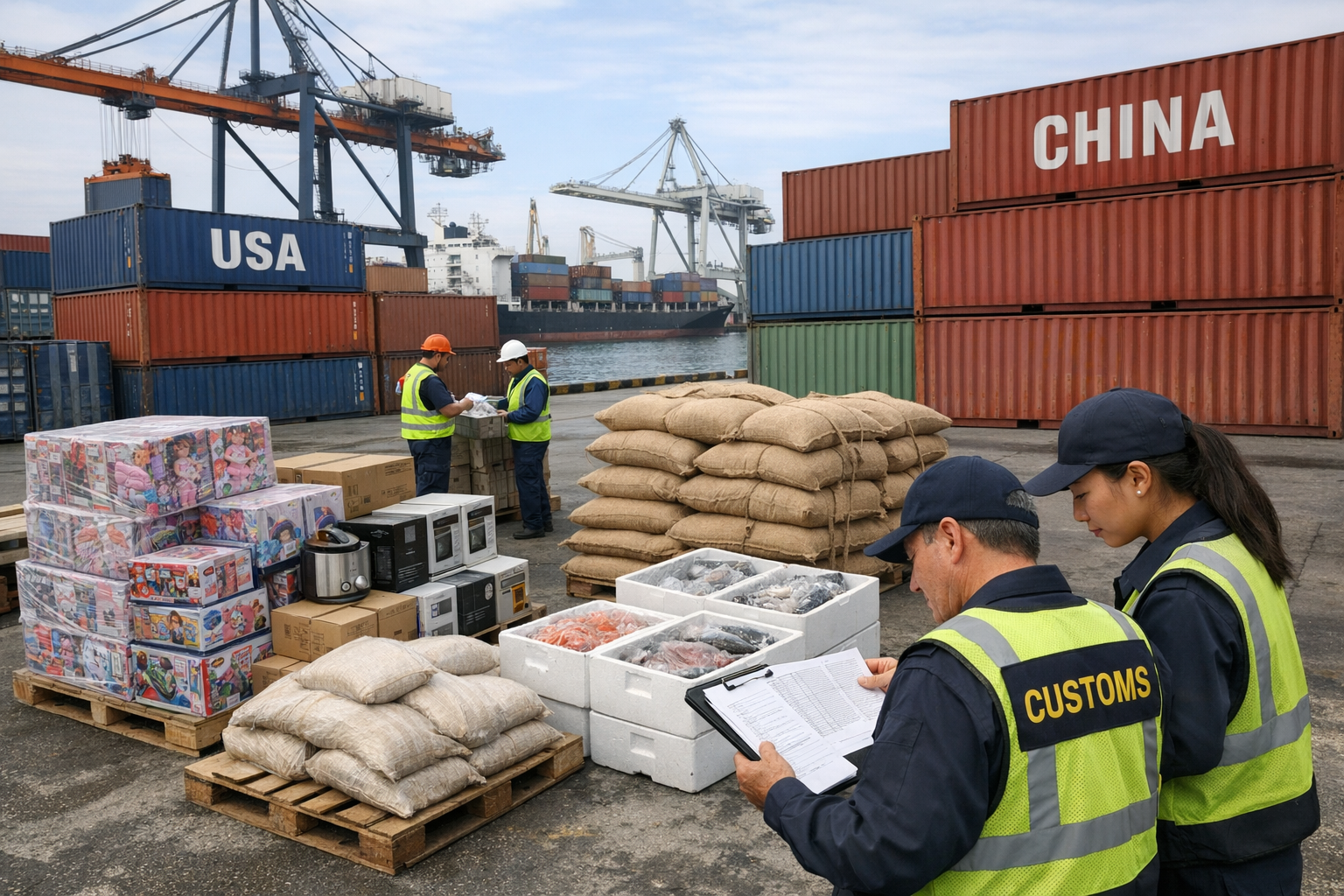
The United States and China said they had agreed in principle to a reciprocal tariff-cutting arrangement that would scale back duties on roughly $30 billion of imports on each side, a limited but tangible step after a meeting that many analysts had viewed as likely to produce more atmospherics than substance. U.S. officials said the American side’s recommended list included consumer goods such as toys, small appliances, holiday decorations and children’s car seats. China’s list included U.S. farm products, seafood, wood products, cosmetics, medical devices and coal.
Chinese officials said more than 90 percent of the covered items would return to normal most-favored-nation tariff treatment once domestic procedures were completed. The reductions have not yet fully taken effect, and important details remain unsettled, including the final product lines and the timeline for implementation.
Still, after months of uncertainty and an earlier round of commitments that advanced unevenly, the tariff package has emerged as the first concrete sign that last week’s summit may amount to more than symbolism.
A Narrow but Meaningful Trade Step
The scope of the package is modest relative to the size of the U.S.-China commercial relationship, and it does not resolve the deeper disputes that have strained ties between the world’s two largest economies. But it could carry immediate effects in politically and commercially important sectors.
For American importers, lower tariffs on selected Chinese consumer goods could ease costs ahead of the holiday shopping season and reduce price pressure in categories that feed directly into household spending. For Chinese exporters, preserving access in those sectors offers a measure of stability at a time when broader trade tensions remain unresolved.
On the Chinese side, the inclusion of American agricultural goods, seafood and medical products offers some relief to U.S. exporters that have spent years navigating shifting market access and retaliatory trade measures. The coal provisions also fit a broader effort by both governments to show progress in managed economic de-escalation, even as strategic mistrust remains high.
The tariff framework sits within a larger structure built earlier this year. At their previous in-person summit, in Beijing in May, Mr. Trump and Mr. Xi agreed to create new channels for trade and investment talks. Officials say the latest negotiations, held in New York and Washington from Sept. 20 to 23, also produced plans for an agriculture working group and an extension of an earlier Kuala Lumpur trade arrangement from Nov. 10 to Jan. 10 as discussions continue.
That architecture matters because the durability of any truce may depend less on the leaders’ personal rapport than on whether lower-level mechanisms keep producing incremental follow-through. Both governments have pointed to a new Board of Trade as one way to keep the process moving.
Why Skepticism Persists
Yet even as markets and businesses welcomed signs of movement, doubts have hardly disappeared.
The tariff cuts are selective, not sweeping. They leave untouched the most politically explosive points in the relationship: Taiwan, export controls, rare earths, investment screening and the intensifying technological contest over advanced artificial intelligence. Official summit materials also referenced rare earth supply concerns, coal purchases for 2027 and 2028, and a new dialogue on AI, underscoring that efforts to stabilize trade are unfolding alongside deepening rivalry in security and technology.
That is one reason analysts have been cautious about calling the summit a turning point. A narrowly drawn tariff rollback may buy time, but it is not the same as a durable settlement. The central test now is implementation: whether both sides can complete domestic legal procedures, preserve the agreed lists and avoid allowing old disputes to overwhelm the new truce.
The history of U.S.-China diplomacy has made investors and policymakers wary of celebrating too early. Previous understandings have often been followed by uneven execution, fresh political tensions or retaliatory moves in other parts of the relationship.
Diplomacy by Symbol and Side Remark
The summit’s afterlife has also been shaped by a set of side stories that, in their own way, captured the ambiguity of the moment.
On Sunday, two giant pandas, Ping Ping and Fu Shuang, arrived in Atlanta under a loan agreement announced during Mr. Xi’s visit. In the long history of China’s so-called panda diplomacy, such gestures have been used to signal goodwill even when larger disagreements remain unresolved. Their arrival quickly became one of the most visible and concrete outcomes of the visit, and to critics, that fact underscored how little had been settled on harder issues.
Then came another, stranger episode. Ambassador David Perdue said Mr. Trump had at one point asked Mr. Xi whether China would be interested in buying U.S. weapons, an offhand-sounding remark that drew immediate attention because of the profound sensitivities surrounding military sales, the balance of power in Asia and tensions over Taiwan.
Whether the comment reflected improvisation, provocation or simply Mr. Trump’s often unorthodox way of conducting diplomacy, it introduced a note of confusion into an already delicate relationship. At a moment when Taiwan’s leaders have been warning of a severe military threat from Beijing, any suggestion of arms sales involving China itself risks raising questions about message discipline inside the administration and about how transactional the president intends his diplomacy to be.
The Real Test Comes Next
For now, the summit appears to be moving from spectacle to probation.
The tariff reductions, if completed, would amount to the strongest early evidence that Washington and Beijing can still produce negotiated economic relief even amid strategic competition. That matters not only for companies and consumers, but also for a global economy that has repeatedly been shaken by swings in U.S.-China relations.
But the narrowness of the achievement is also the point. The trade package is significant because it is real; it is limited because the hardest conflicts remain. The question hanging over the truce is whether a carefully selected rollback on toys, farm goods and other politically manageable products can survive the return of larger, sharper disputes.
For now, the pandas are in Atlanta, the tariff lists are being reviewed, and both governments are speaking the language of continued engagement. Whether that amounts to a genuine reset — or merely a brief calm between familiar storms — is likely to become clear only when the next test arrives.
Sources
Further reading and reporting used to add context:
- https://www.axios.com/2026/09/21/whats-at-stake-in-us-china-talks
- https://www.theguardian.com/world/2026/sep/28/trump-xi-jinping-china-buy-weapons
- https://www.atlantanewsfirst.com/2026/09/27/pandas-arrive-zoo-atlanta/
- https://www.cbsnews.com/news/giant-pandas-china-atlanta-zoo-arrive/
- https://www.investing.com/news/general-news/giant-pandas-arrive-at-zoo-atlanta-for-10year-stay-4919080
- https://www.axios.com/local/atlanta/2026/09/27/giant-pandas-atlanta-zoo-china-xi-trump-deal
- https://www.aljazeera.com/economy/2026/9/28/us-china-list-goods-recommended-for-tariff-cuts-following-trump-xi-summit
- https://www.japantimes.co.jp/news/2026/09/28/asia-pacific/politics/trump-sell-weapons-china/
- https://www.cbsnews.com/atlanta/news/china-to-send-2-giant-pandas-to-zoo-atlanta-president-xi-jinping-says-envoy-of-friendship/
- https://ptechhub.online/us-china-lower-tariffs-trump-xi-meeting-html/
- https://goodmorningamerica.com/living/story/giant-pandas-ping-ping-fu-shuang-arrive-atlanta-136801807
- https://www.washingtonpost.com/world/2026/09/24/two-pandas-heading-atlanta-zoo-xi-jinping-announces/
- https://efe.com/medio-ambiente/2026-09-27/pandas-china-atlanta-eeuu/
- https://www.reddit.com/r/politics/comments/1ws143d/trump_asked_xi_jinping_if_china_would_like_to_buy/
- https://www.reddit.com/r/UnderReportedNews/comments/1wrxlyq/trump_asked_xi_if_china_wanted_to_buy_american/
- https://www.reddit.com/r/China/comments/1ws2oz7/trump_asked_chinas_president_if_he_wants_to_buy/
- https://www.reddit.com/r/politics/comments/1ws6f9j/removed/
- https://www.reddit.com/r/LessCredibleDefence/comments/1wrp3bf/president_donald_trump_asked_president_xi_jinping/
- https://www.reddit.com/r/geopolitics/comments/1wrw74f/trump_asked_xi_if_china_wanted_to_buy_american/
- https://www.reddit.com/r/politics/comments/1ws1vjb/trump_asked_chinas_president_if_he_wants_to_buy/
- https://www.reddit.com/r/politics/comments/1wrxgvs/trump_asked_xi_if_china_wanted_to_buy_american/
- https://www.reddit.com/r/navy/comments/1ws25r0/trump_asked_chinas_president_if_he_wants_to_buy/
- https://fm.cnbc.com/applications/cnbc.com/resources/editorialfiles/2018/09/07/P_Apple_Inc_Section_301_List_3_Comments.pdf
- https://fm.cnbc.com/applications/cnbc.com/resources/editorialfiles/2025/04/07/2024_NTE_Report_1.pdf
- https://www.cnbc.com/2019/09/02/us-china-trade-war-beijing-takes-cautious-steps-with-new-tariffs.html
- https://www.cnbc.com/2025/07/29/trump-china-trade-tariffs-bessent.html?msockid=06c2f1d2c636640a2deee7eec72365bf
- https://www.cnbc.com/select/best-rewards-credit-cards/
- https://www.cnbc.com/select/best-debt-relief-companies/
- https://www.cnbc.com/2025/09/02/microsoft-offers-us-government-6-billion-in-savings-on-cloud-services.html?msockid=399fbd292f8d67cf3e10ab722ecb6630
- https://www.cnbc.com/select/best-mortgage-lenders/
- https://www.cnbc.com/select/best-tax-relief/
- https://www.cnbc.com/select/best-brokerage-account-bonuses/
- https://www.cnbc.com/select/best-joint-bank-accounts/
- https://www.cnbc.com/select/best-money-market-accounts/
- https://www.cnbc.com/2025/08/29/cnbc-daily-open-main-street-and-wall-street-are-still-alive-and-kicking.html/
- Fact Sheet: President Donald J. Trump Advances a Fair and Reciprocal Relationship with China While Hosting Historic State Visit – The White House
- https://ustr.gov/about/policy-offices/press-office/press-releases/2026/september/ambassador-greer-issues-statement-announcement-recommendations-us-china-board-trade
- https://english.mofcom.gov.cn/PressConferenceHomepage/index.html
- https://english.mofcom.gov.cn/News/PressConference/art/2026/art_322f8706b63a4d25982bec5ed10670bd.html
- 商务部公布中美贸易理事会和“300亿对300亿”对等降税框架有关情况
- https://www.whitehouse.gov/presidential-actions/2026/08/adjusting-imports-of-polysilicon-and-its-derivatives-into-the-united-states/
- https://www.mofcom.gov.cn/syxwfb/art/2026/art_d9ea01824fc44fd8a29f7dc3f8ca9c72.html
- https://www.mofcom.gov.cn/xwfb/bldhd/art/2026/art_63d10f226ffb4b15abf9a9afdcd2a329.html
- https://www.whitehouse.gov/presidential-actions/2026/09/excluding-certain-canadian-products-from-importation-into-the-united-states-in-response-to-continued-discrimination-against-the-commerce-of-the-united-states-with-respect-to-motor-vehicles/
- https://www.whitehouse.gov/fact-sheets/2026/09/fact-sheet-president-donald-j-trump-responds-to-canadas-retaliation/?query-11-page=4
- https://www.whitehouse.gov/releases/2026/09/president-trump-first-lady-conclude-historic-china-state-visit/
- https://www.whitehouse.gov/fact-sheets/2025/11/joint-fact-sheet-on-president-donald-j-trumps-meeting-with-president-lee-jae-myung/?query-11-page=92
- https://ustr.gov/sites/default/files/files/Press/Releases/2026/2026%20Trade%20Policy%20Agenda.pdf
- https://ustr.gov/sites/default/files/files/Press/Releases/2025/Extending%20Exclusions%20to%20Nov%202026%20-%20Final%20FRN%20for%20Posting.pdf
- https://ustr.gov/sites/default/files/2019_Report_on_China%E2%80%99s_WTO_Compliance.pdf
- https://ustr.gov/sites/default/files/files/reports/2025/2025%20Trade%20Policy%20Agenda%20WTO%20at%2030%20and%202024%20Annual%20Report%2002282025%20–%20FINAL.pdf
- https://apnews.com/article/8488ef4c2944d348193f441199179ae6
- https://apnews.com/article/692e1e171a791be0c9b9c1f56718a0d0
- https://www.axios.com/2026/09/22/trump-china-ai-hotline-xi-summit
- https://www.axios.com/newsletters/axios-am-12828d89-342e-452b-a7e9-a70078c56670
- https://www.theatlantic.com/podcasts/2026/09/ra-us-china/688731/?utm_source=openai
- https://www.theatlantic.com/national-security/2026/09/allies-trump-canada-foreign-policy/688729/?utm_source=openai
- https://www.theguardian.com/us-news/2026/sep/25/key-takeaways-trump-xi-summit-whitehouse-china-ai-trade
- https://globalaffairs.org/commentary/analysis/trumps-meeting-xi-reveals-limits-personalistic-foreign-policy
- https://www.investing.com/news/world-news/four-takeaways-from-trumps-summit-with-xi-in-washington-4916246
- https://www.washingtonpost.com/politics/2026/09/25/trump-xi-visit-china-trade-ai-takeaways/c04e6c40-b90b-11f1-94cb-d3d8f22a8c8b_story.html
- https://www.reutersconnect.com/item/xi-trump-summit-a-test-of-relationship-management-not-major-breakthroughs-analyst-says/dGFnOnJldXRlcnMuY29tLDIwMjY6bmV3c21sX0xWQTAwMjQxNTQyMTA5MjAyNlJQMQ
- https://www.local10.com/news/politics/2026/09/25/takeaways-from-trump-xi-summit-lots-of-pomp-and-even-more-punting-on-tensions-in-us-china-relations/
- https://www.washingtonpost.com/politics/2026/09/25/trump-xi-wrap-up-summit-with-warm-words-no-clear-breakthroughs/
- https://www.investing.com/news/economic-indicators/factboxkey-issues-for-this-weeks-trumpxi-summit-in-washington-4909817
- https://www.the-journal.com/articles/associated-press/takeaways-from-trump-xi-summit-lots-of-pomp-and-even-more-punting-on-tensions-in-us-china-relatio/
- New giant pandas from China arrive in Atlanta zoo – CBS News
- Fulfilling earlier US-China agreements is a work in progress as Trump and Xi meet again
- Trump asked Xi Jinping if China would like to buy US weapons, American ambassador says | China | The Guardian