
A New Trump Tariff Blitz Draws Global Protests
President Trump on Friday imposed a new round of tariffs on imports from 60 trading partners, reviving a hallmark trade policy after months of legal and political setbacks and prompting immediate objections from allies who rejected the administration’s justification that the duties were needed to combat forced labor.
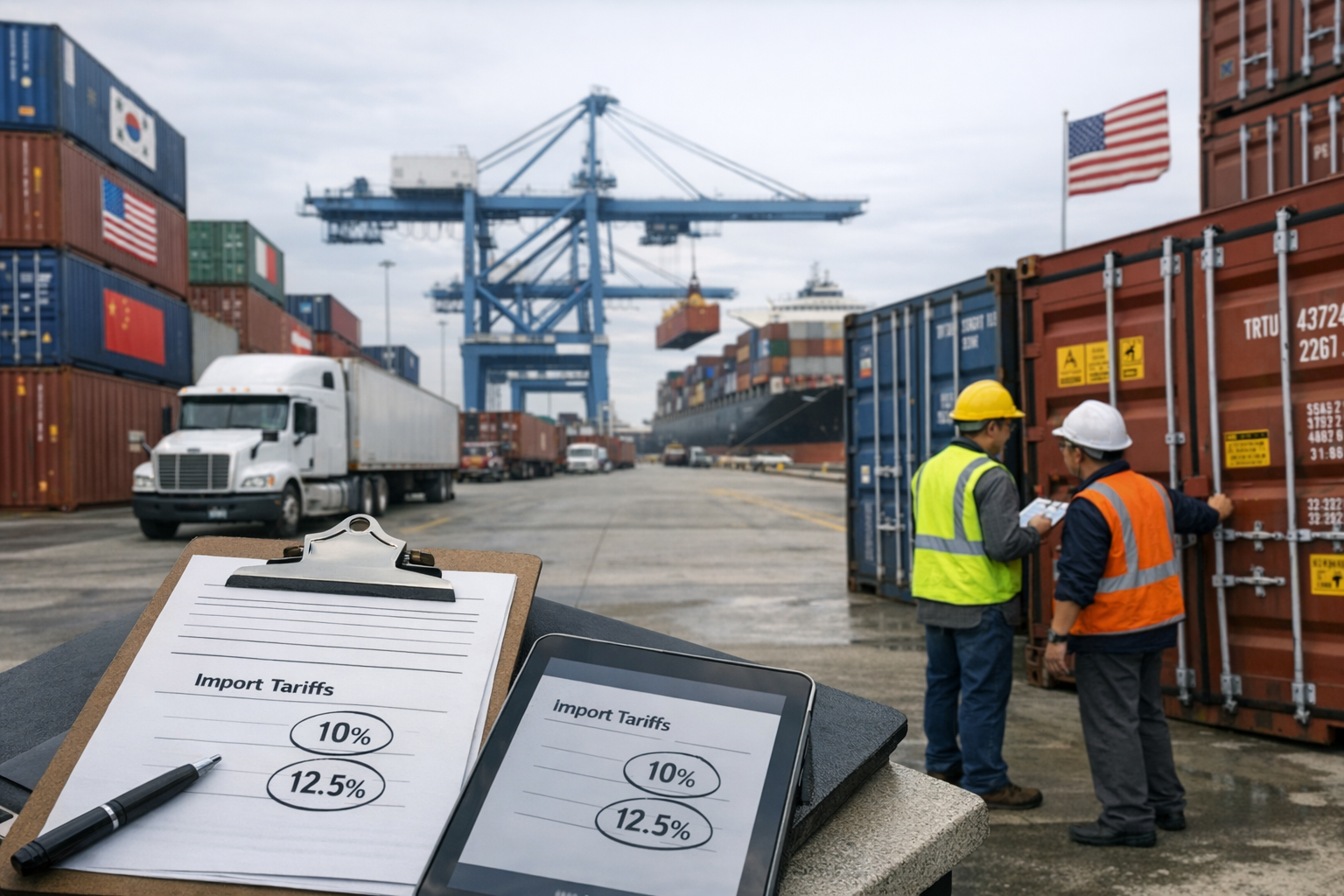
The new levies, set at 10 percent and 12.5 percent, took effect as a temporary across-the-board global tariff expired. Administration officials said the affected countries had failed to do enough to enforce bans on goods made with forced labor, and argued that the new structure was tailored to reward countries judged to have made more progress.
But trading partners from Australia to Brazil to Norway denounced the move as arbitrary, unjustified or baseless, signaling that while many would continue talks with Washington, the latest escalation had deepened friction with countries that are also American allies and longstanding commercial partners.
The tariff action is among the clearest signs yet that Mr. Trump is determined to rebuild his trade agenda after a Supreme Court ruling in February curtailed his earlier use of emergency powers to impose sweeping global duties. The administration has since searched for alternative legal pathways, and this latest move rests on Section 301 authority, a more established trade tool that has historically been used to respond to unfair foreign practices.
Forced-Labor Rationale Meets Skepticism Abroad
The White House has framed the tariffs as a moral and economic response, saying some governments have not adequately policed supply chains tainted by forced labor. Officials also said hundreds of products had been excluded and that some countries received the lower 10 percent rate because they had taken stronger enforcement steps.
Even so, foreign governments questioned both the evidence and the consistency of the policy.
Australia reacted sharply after many of its exports were hit with a 12.5 percent tariff. Don Farrell, Australia’s trade minister, said the measure was inconsistent with the free-trade agreement between the two countries and demanded that it be removed. Canberra sought to reassure domestic exporters by noting that some of its biggest shipments to the United States, including beef, gold and copper, would remain tariff-free.
Other countries took a similarly critical line in public while stopping short of announcing immediate retaliation. That cautious response reflected a familiar pattern in Trump-era trade disputes: governments object loudly, but many keep negotiating in hopes of exemptions, revised terms or a broader settlement.
The European Union, one of the administration’s main trade targets, has indicated that the latest action does not necessarily upend existing understandings with Washington, underscoring how much of the current tariff regime remains a bargaining tool as much as a settled policy.
A Trade Strategy Reassembled After Court Setbacks
The new duties arrive after the administration’s original tariff architecture was weakened in court. In February, the Supreme Court ruled that Mr. Trump had illegally used emergency authorities to carry out parts of his global trade program. The administration then relied on a temporary tariff under Section 122, but that stopgap was due to expire on July 24.
Rather than retreat, the White House shifted course again.
That maneuver matters because it shows how central tariffs remain to Mr. Trump’s economic strategy. He has long argued that the United States has been exploited by foreign trading partners, and that higher import duties are necessary to revive domestic manufacturing, create jobs and pressure other governments into concessions. Critics, including many economists, counter that tariffs often function as a tax on importers and consumers, raising costs while inviting legal challenges and diplomatic backlash.
The latest round keeps pressure on major economies, including China and the European Union, even as the administration tries to present the policy as narrower and more defensible than earlier global levies.
Warnings of Higher Prices at Home
The international dispute is also colliding with a more immediate domestic concern: the cost of essential goods.
Drugmakers and patient advocates have warned that the administration’s separate plan for imported generic medicines could eventually raise prices for Americans who rely on low-cost prescriptions. Mr. Trump has said imported generic drugs would remain tariff-free for two years beginning Aug. 1, before facing a 100 percent tariff for one year and then 200 percent tariffs after that.
Executives in the generics industry say such duties would be difficult to absorb. The chief executive of Dr. Reddy’s, one of India’s leading pharmaceutical manufacturers and a major supplier to the American market, said higher tariffs would translate into higher prices for U.S. patients.
That warning carries particular weight because generic drugs account for the overwhelming majority of prescriptions filled in the United States. Although they are far cheaper than branded medicines, many are produced through highly globalized supply chains, with India playing a central role in manufacturing finished products and ingredients. Even modest disruptions can reverberate through hospital systems, pharmacies and insurance plans; steeper duties could hit some of the country’s most price-sensitive patients.
Whether those pharmaceutical tariffs take full effect remains uncertain. Product exclusions, trade negotiations and industry-specific carve-outs could soften the impact. But the threat alone has renewed concern that a tariff agenda framed around industrial strength and national leverage may also raise the price of everyday necessities.
What Comes Next
For now, the central question is whether this latest tariff wave will produce broader retaliation or prolonged bargaining.
Most trading partners appear to be choosing negotiation over immediate escalation, at least initially. That may spare the global economy from a rapid spiral of tit-for-tat measures. But the underlying tensions have not gone away. The administration is still testing the limits of its legal authority, foreign governments are still weighing how much to concede, and companies are still trying to determine which products will be exempted and which costs will ultimately be passed on.
In that sense, Friday’s tariffs were not simply a new trade action. They were the opening move in the next phase of Mr. Trump’s attempt to reassert a tariff-heavy economic policy — one that is once again reshaping relations with allies abroad while raising the prospect of higher prices at home.
Sources
Further reading and reporting used to add context:
- https://apnews.com/article/b178ead12f022009817c60010ac07eb3
- https://apnews.com/article/4ea091eeee3fa1bfbe55af3f482e6bc1
- https://apnews.com/article/c492604ca2bf139c6d7db7065c951ff1
- https://www.axios.com/2026/07/23/trump-tariffs-trade-labor
- https://www.thedailybeast.com/trump-plots-new-blitz-after-supreme-court-humiliation/
- https://ca.investing.com/news/economic-indicators/trump-imposes-forced-labor-duties-on-60-trading-partners-as-10-us-tariffs-expire-4750835
- https://ustr.gov/about/policy-offices/press-office/press-releases/2026/july/ustr-takes-action-forced-labor-section-301-investigations
- https://www.thomsonreuters.com/en-us/posts/international-trade-and-supply-chain/section-301-tariffs/
- https://ustr.gov/about/policy-offices/press-office/fact-sheets/2026/july/fact-sheet-ustr-section-301-action-response-failure-60-economies-ban-imports-produced-forced-labor
- https://www.internazionale.it/ultime-notizie-reuters/2026/07/24/trump-imposes-forced-labor-duties-on-60-trading-partners-as-10-us-tariffs-expire
- https://tax.thomsonreuters.com/blog/after-ieepa-which-tariff-authorities-does-the-u-s-government-still-have-and-what-global-manufacturers-need-to-know/
- https://www.abc.net.au/news/2026-06-03/australia-faces-proposed-us-tariff-over-forced-labour-crackdown/106756686
- https://abcnews.com/Business/trump-set-impose-sweeping-tariffs-60-trade-partners/story?id=135020049
- https://www.cbsnews.com/news/trump-tariffs-dozens-countries-forced-labor/
- https://in.marketscreener.com/news/reaction-to-us-imposing-new-tariffs-on-60-trading-partners-ce7f51dfdb88f327
- https://www.investing.com/news/world-news/us-proposes-additional-tariffs-on-imports-from-60-economies-over-forced-labor-4723286
- https://www.thenewdaily.com.au/finance/finance-news/2026/07/24/trump-australia-tariffs-slammed
- https://www.sec.gov/Archives/edgar/data/1754068/000119312526177387/d69530dars.pdf
- https://www.marketscreener.com/news/india-s-dr-reddy-s-sees-semaglutide-supply-disruption-lasting-until-at-least-late-october-ce7f5ed9df80f12d
- https://ca.marketscreener.com/news/trump-says-generic-drugs-to-face-no-us-tariffs-for-2-years-before-rates-of-100-and-200-later-ce7f51d8de8bf226
- https://economictimes.indiatimes.com/industry/healthcare/biotech/pharmaceuticals/tariff-hike-by-us-will-only-increase-drug-prices-dr-reddys-ceo/articleshow/132562632.cms?UTM_Campaign=RSS_Feed&UTM_Medium=Referral&UTM_Source=Google_Newsstand
- https://www.marketscreener.com/news/india-s-dr-reddy-s-says-semaglutide-shipping-disruption-to-last-until-at-least-late-october-ce7f5ed9df80f12d
- https://www.latimes.com/business/story/2026-07-22/generic-drug-tariffs-could-send-prices-soaring-for-millions-of-americans
- https://m.investing.com/news/general-news/trump-says-generic-drugs-to-face-no-us-tariffs-for-2-years-before-rates-of-100-and-200-later-4804439?ampMode=1
- https://ca.marketscreener.com/news/trump-says-generic-drugs-to-face-no-us-tariffs-for-2-years-then-100-and-200-tariffs-later-ce7f51d8de8df426
- https://www.marketscreener.com/news/india-s-dr-reddy-s-extends-slide-as-semaglutide-setback-threatens-first-mover-edge-ce7f5ededf8bf123
- https://www.reddit.com/r/BoycottUnitedStates/comments/1v3dkar/us_announces_new_tariffs_on_generic_drugs_to_take/
- https://jackfmfargo.com/2026/07/22/generic-drug-sector-seeks-policy-fixes-after-trump-tariff-threat/
- https://www.ndtvprofit.com/business/wont-do-anything-special-dr-reddys-stands-pat-on-trumps-tariff-threat-warns-of-us-price-hikes-11808048
- https://in.marketscreener.com/news/trump-says-generic-drugs-to-face-no-us-tariffs-for-2-years-before-rates-of-100-and-200-later-ce7f51d8de8bf226
- https://www.marketscreener.com/news/india-s-dr-reddy-s-delays-semaglutide-supply-loses-678-mln-in-market-value-ce7f5ed9df80f12d
- https://www.reddit.com/r/Health/comments/1v3pigl/trumps_generic_drug_tariffs_what_they_could_mean/
- https://www.reddit.com/r/Tariffs/comments/1v51i98/the_us_will_place_a_100_tariff_on_generic/
- https://www.reddit.com/r/WhatTrumpHasDone/comments/1v30kob/trump_sets_100_tariff_on_generic_drugs_with/
- https://www.reddit.com/r/biotech/comments/1v2yit9/trump_announces_no_tariffs_followed_by_rising/
- https://www.reddit.com/r/EUnews/comments/1v3jfwe/eu_shrugs_off_trumps_latest_tariff_threat_on/
- https://www.reddit.com/r/Health/comments/1v3ffns/how_donald_trumps_tariff_announcement_impacts/
- https://www.reutersconnect.com/item/uncaptioned-trump-administration-prepares-new-wave-of-tariffs-on-dozens-of-trading-partners/dGFnOnJldXRlcnMuY29tLDIwMjY6bmV3c21sX09XQ1ZNQzQ0MjQzNy1WSURFTw
- https://live.euronext.com/en/financial-news/trump-imposes-forced-labor-duties-60-trading-partners
- https://in.marketscreener.com/news/mexico-to-see-no-change-from-new-us-tariffs-economy-minister-says-ce7f51dfd989f527
- https://in.marketscreener.com/news/european-commission-gives-guarded-welcome-to-new-trump-tariffs-ce7f51dfd880f522
- https://au.investing.com/news/economic-indicators/trump-to-impose-forced-labor-duties-on-friday-as-temporary-10-us-tariffs-expire-4550213
- https://www.internazionale.it/ultime-notizie-reuters/2026/07/24/trump-to-impose-forced-labor-duties-on-friday-as-temporary-10-us-tariffs-expire
- https://au.marketscreener.com/news/trump-to-impose-forced-labor-duties-on-friday-as-temporary-10-us-tariffs-expire-ce7f51ded08aff27
- https://www.businesstimes.com.sg/international/global/us-imposes-new-tariffs-60-partners-over-forced-labour-concerns-singapore-subject-12-5-levy/
- https://www.reddit.com/r/europe/comments/1v54iv9/us_hits_dozens_of_trading_partners_with_new_wave/
- https://www.trademinister.gov.au/minister/don-farrell/transcript/doorstop-adelaide
- https://live.euronext.com/en/financial-news/trump-imposes-forced-labor-duties-60-trading-partners-10-us-tariffs-expire
- https://www.abc.net.au/news/2026-07-10/australia-objects-to-trump-administration-slavery-tariff-plan/106900254
- https://www.bostonglobe.com/2026/07/24/nation/trump-administration-tariffs-reaction/
- https://www.investing.com/news/commodities-news/factboxhighlights-of-euaustralia-trade-agreement-4576576
- https://www.trademinister.gov.au/minister/don-farrell/media-releases
- https://www.reddit.com/r/aussie/comments/1v4uo97/us_confirms_new_125pc_tariff_for_australia/
- https://www.reddit.com/r/AusNewsWire/comments/1v4rni2/trump_hikes_tariffs_on_australia_to_125_per_cent/
- https://www.reddit.com/r/aussie/comments/1v4vdyu/australia_disappointed_as_trump_hikes_export/
- https://www.reddit.com/r/OpenAussie/comments/1v4vcgo/trump_administration_confirms_new_125pc_tariff/
- https://www.reddit.com/r/ASX_Bets/comments/1v4sqg0/us_confirms_new_125pc_tariff_for_australia/
- https://www.tralac.org/documents/resources/external-relations/us-agoa/7468-2026-national-trade-estimate-report-on-foreign-trade-barriers-ustr/file.html
- https://m.investing.com/news/stock-market-news/generic-drugmaker-sandoz-to-engage-with-us-after-trump-tariff-threat-4804975?ampMode=1
- https://ca.marketscreener.com/news/generic-drug-sector-seeks-policy-fixes-after-trump-tariff-threat-ce7f51d9dc8fff22
- https://ca.marketscreener.com/news/generic-drugmaker-sandoz-to-engage-with-us-after-trump-tariff-threat-ce7f51d9d98af223
- https://www.tradingview.com/news/reuters.com%2C2026%3Anewsml_L4N43O1NF%3A0-generic-drug-sector-seeks-policy-fixes-after-trump-tariff-threat/
- https://www.cbsnews.com/news/trump-generic-drug-tariffs-manufacturing/
- https://ca.marketscreener.com/news/indian-drugmaker-dr-reddy-s-posts-quarterly-profit-slump-ce7f51d9d88ff023
- https://in.marketscreener.com/news/generic-drug-sector-seeks-policy-fixes-after-trump-tariff-threat-ce7f51d9dc8fff22
- https://www.thefiscaltimes.com/2026/07/22/Trump-Plans-200-Tariff-Generic-Drugs
- https://www.drreddys.com/cms/cms/sites/default/files/2025-06/rdy-20250331.pdf
- https://share.refinitiv.com/assets/newsletters/The_Day_Ahead/TDAGeneric_NAM_04152025.pdf
- https://www.reddit.com/r/NewsSource/comments/1v31pwx/trump_says_he_will_impose_tariffs_on_generic/
- https://www.reddit.com/r/pharmacy/comments/1v31it0/trump_plans_to_impose_tariffs_on_generic_drugs/
- https://www.sec.gov/Archives/edgar/data/1640266/000110465926050335/tm2611466d2_ars.pdf
- https://www.reddit.com/r/CommonSenseNews/comments/1k7yb40
- USTR Takes Action in Forced Labor Section 301 Investigations | United States Trade Representative
- European Commission gives guarded welcome to new Trump tariffs | MarketScreener India