
Diplomacy between the United States and Iran showed signs of life at the United Nations this week, raising the prospect — however tentative — that one of the world’s most important oil chokepoints could reopen and that fears of a broader Middle East escalation might ease.
Officials from the two countries spent roughly three hours in indirect, Qatar-mediated talks on the sidelines of the U.N. General Assembly in New York, according to statements from both sides, marking the most substantial contact in months after earlier cease-fire efforts faltered. President Trump described the exchange as productive and said additional talks could come soon.
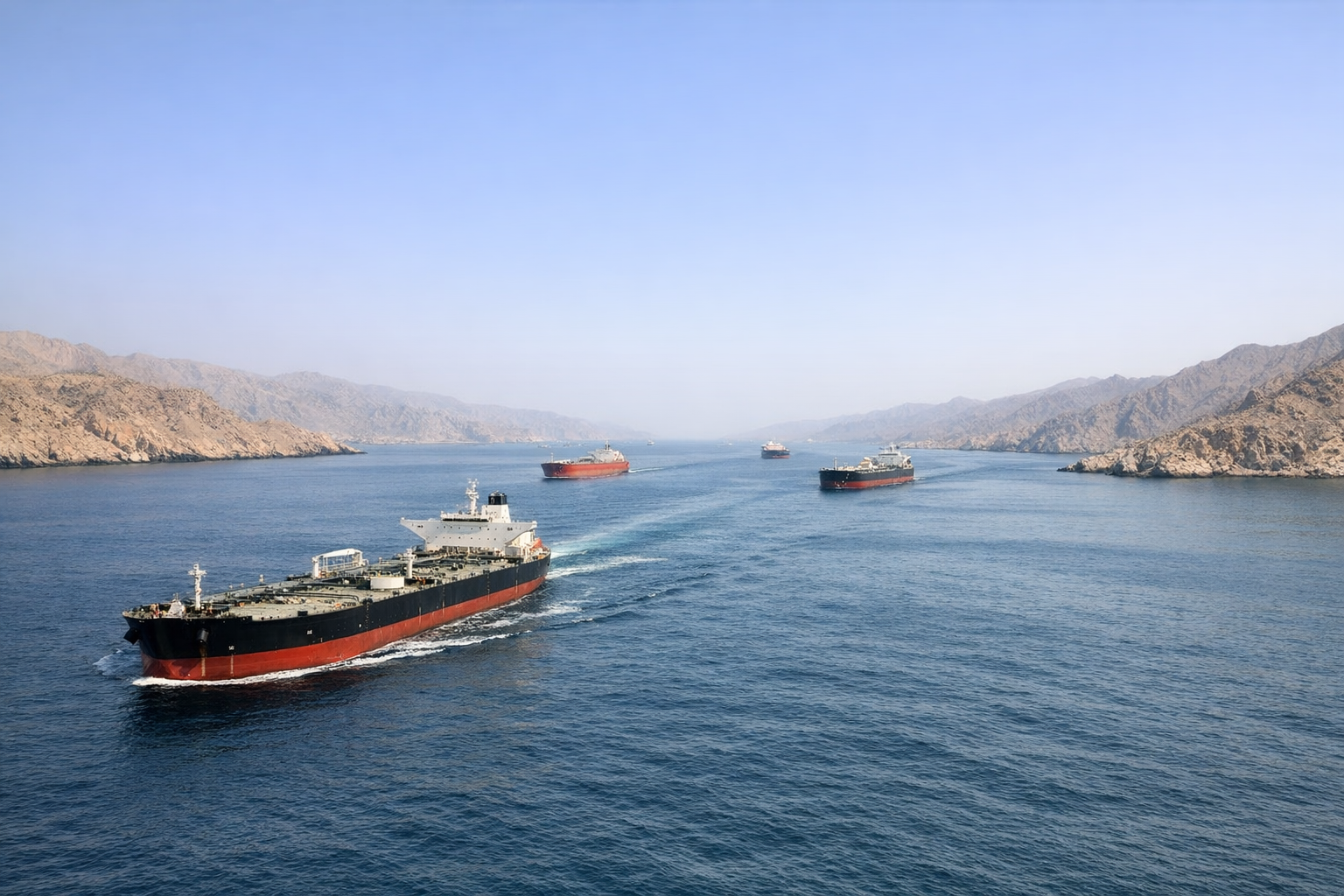
The immediate impact was felt in oil markets. Brent crude fell below, or hovered just under, $100 a barrel, dropping to its lowest levels in about two weeks as traders wagered that even limited progress could reduce the risk of prolonged disruption in the Strait of Hormuz, the narrow waterway through which a large share of the world’s seaborne oil passes.
The talks did not produce a public breakthrough. But they appeared to open at least a narrow diplomatic channel at a moment when shipping through the strait remains below prewar levels and energy markets have been acutely sensitive to every hint of escalation or restraint.
A Narrow Opening
Iranian officials indicated in recent days that Tehran could move toward reopening the Strait of Hormuz within a week if Washington took reciprocal steps to ease military and economic pressure. That suggestion helped fuel market optimism and revived hopes for an off-ramp in a crisis that has rattled global shipping, insurers and energy importers.
Yet Tehran also sought to tamp down expectations. Iranian officials publicly rejected suggestions that they had abandoned earlier preconditions, insisting there was “nothing new” in their position. They emphasized that the New York contacts were indirect, not face-to-face negotiations, and maintained that any movement would still depend on concrete changes by the United States.
That tension — between the signal of flexibility and the insistence that Iran’s terms remain intact — underscored how fragile the opening remains.
For Washington, the talks offered a chance to test whether Tehran is prepared to translate private signals into verifiable steps. For Iran, the channel allowed it to press again for relief from what it describes as sustained American pressure while showing that it is not wholly closing the door to diplomacy.
Why Hormuz Matters
Few waterways carry as much strategic weight as the Strait of Hormuz. The channel links the Persian Gulf to global markets and has long been a pressure point in conflicts involving Iran and the United States. Any threat to navigation there tends to send crude prices higher, increase shipping and insurance costs, and intensify concerns about inflation far beyond the region.
That is why even a conditional discussion of reopening the strait resonated so quickly on trading floors. Markets were not reacting to a signed agreement, but to the possibility that the risk of further disruption had marginally declined.
Still, the optimism came with caution. Oil prices were mixed in some trading sessions, reflecting uncertainty over whether the contacts represent genuine movement or simply a tactical pause. Analysts and diplomats say that without clear follow-through — whether in the form of reduced military pressure, restored shipping guarantees or some phased de-escalation — the current relief could prove fleeting.
Signals, and Limits
Mr. Trump said after the meeting that Iran would eventually make a deal and suggested more discussions could happen in the near future. His envoys also characterized the exchange in positive terms.
But the gulf between atmospherics and substance remains wide. Iran had previously set out broader and more onerous demands tied not only to Hormuz but to a wider cessation of hostilities and pressure. Whether Tehran’s leadership is truly softening those demands, or merely rephrasing them to keep diplomacy alive, remains unclear.
There are also deeper questions that the New York talks did not resolve: whether Washington is willing to offer any practical easing of pressure; whether Iran’s competing power centers would support compromise; whether any reopening of Hormuz would be partial, temporary or durable; and whether fresh fighting elsewhere in the region could quickly erase the gains.
For now, the talks matter less for what they solved than for what they suggested: that after months of confrontation, both sides may see value in probing a diplomatic path, even while publicly denying concessions.
In a crisis where oil prices, shipping routes and regional stability can turn on small shifts in posture, that alone was enough to move markets — and to raise, cautiously, the possibility that a dangerous standoff may yet have an exit ramp.
Sources
Further reading and reporting used to add context:
- https://apnews.com/article/692e1e171a791be0c9b9c1f56718a0d0
- https://apnews.com/article/5c7bb1ed77f24be8b22de4d7d297f396
- https://apnews.com/article/e757e0492d91ac0dbb0d5992175a869a
- https://www.axios.com/2026/09/22/trump-speech-un-general-assembly-iran-annihilate
- https://apnews.com/article/f1ef966c0f89e8dd13806768e3af4a0f
- https://apnews.com/article/9c3d38e7e97132884f915e157dbf9ef1
- https://apnews.com/article/78b8ccd21cbc4bc0ab19a79f68372ec0
- https://www.axios.com/2026/09/16/trump-iran-talks-gulf-leaders-un
- https://www.aljazeera.com/news/2026/9/23/us-iran-hold-mediated-unga-talks-on-ending-war-opening-strait-of-hormuz
- https://www.theguardian.com/world/live/2026/sep/22/middle-east-iran-irgc-donald-trump-mahmoud-mahmoud-pezeshkian-abbas-araqchi-unga-latest-news-updates?page=with%3Ablock-6ab252238f088bb9e21bb9f9
- https://www.theguardian.com/world/live/2026/sep/22/middle-east-iran-irgc-donald-trump-mahmoud-mahmoud-pezeshkian-abbas-araqchi-unga-latest-news-updates?page=with%3Ablock-6ab222a68f08984de348b56d
- https://www.local10.com/news/world/2026/09/23/iran-downplays-indirect-talks-with-us-and-other-mideast-developments/
- Iran and US have held talks on sidelines of UN summit, says Donald Trump | Iran | The Guardian
- Hope for progress after US, Iran hold first shuttle talks in months By Reuters
- https://www.local10.com/business/2026/09/23/asian-shares-are-mixed-and-oil-prices-fall-after-trump-says-us-and-iran-met-at-the-un/
- https://en.sedaily.com/international/2026/09/23/us-iran-hold-three-hour-talks-at-un-as-oil-falls-below-100
- https://www.theguardian.com/world/live/2026/sep/22/middle-east-iran-irgc-donald-trump-mahmoud-mahmoud-pezeshkian-abbas-araqchi-unga-latest-news-updates?page=with%3Ablock-6ab2970f8f088c606cb65941