
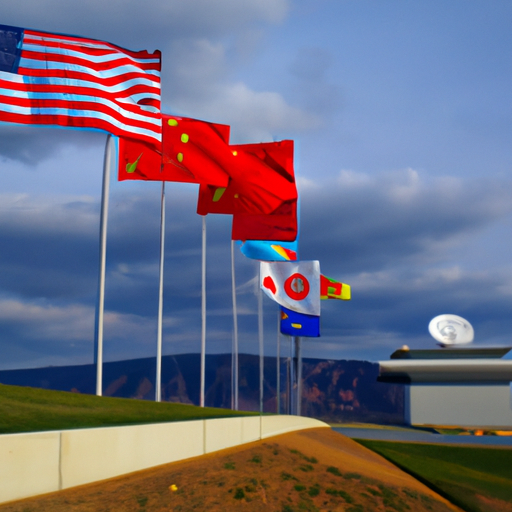
In the latest escalating step of a growing geopolitical and technological cold war, China has sharply criticized President Biden’s recent order that restricts U.S. investment in overseas technology, describing it as ‘blatant economic coercion.’ The rebuke is a clear reflection of the mounting tensions between the world’s two largest economies, a division intensified by the technological rivalry that increasingly defines their contest for global influence.
“This seriously deviates from the market economy and fair competition principles that the U.S. has always advocated”, the Chinese Ministry of Commerce said in a statement. The remarks signal Beijing’s deep scorn and frustration with the new U.S. policy, which aims to curb American financial support for mainland Chinese technology companies and further isolate them from the global marketplace.
Biden’s executive order follows the trajectory set by the previous administration, although it considerably expands the range of firms that are off-limits for American investors. The initiative is aimed at preventing U.S. investments from supporting Chinese firms that pose a threat to the national security of the United States. Washington policy hawk’s raised concerns about China’s access to American technology and data through investment flows.
Yet, the Chinese government’s condemnation of this decision also underscores the widening gulf in economic ideologies between the U.S. and China — one prizing open markets and unrestricted investment, and the other increasingly focused on state intervention and protection of domestic technologies.
Despite its antagonistic rhetoric, China finds itself in an intensely complex position. On the one hand, it relies on the U.S. for certain key resources and technologies critical for its innovation-driven growth model. On the other hand, it is pushing for technological self-reliance and global leadership, which the U.S. perceives as a threat.
The Biden administration’s action is not without controversy. Critics argue that by restricting overseas investment, the United States is not only interfering with the free market mechanics, but may also be hampering its own technological progression. They argue that to lead in technology, the U.S. needs to be embedded in the global technology supply chain, not austerely sequestered from it.
Even so, Biden’s decision marks a significant turning point in the ongoing tech war with China. Whether it results in a more secure and technologically sovereign U.S., or leads to missed economic opportunities and global technological divisions, remains to be seen.
As the battle lines of global tech competition are drawn and redrawn, the unfolding drama between the United States and China serves as a stark reminder of the complexities of managing an increasingly interconnected yet politically fragmented world. As both countries pursue technological ascendency, global observers are on high alert to monitor how these maneuvers will shape the digital landscape for years to come.