
Even as diplomacy resumes, the damage is proving harder to unwind
The push for new U.S.-Iran talks has raised hopes that the most dangerous phase of the conflict may be easing. Mediators are working toward another round of negotiations in Pakistan before the current cease-fire expires on April 21, and financial markets have shown flashes of relief at the prospect of a longer truce.
But across the shipping lanes of the Persian Gulf and the energy infrastructure of the Middle East, the war’s practical consequences remain deeply entrenched.
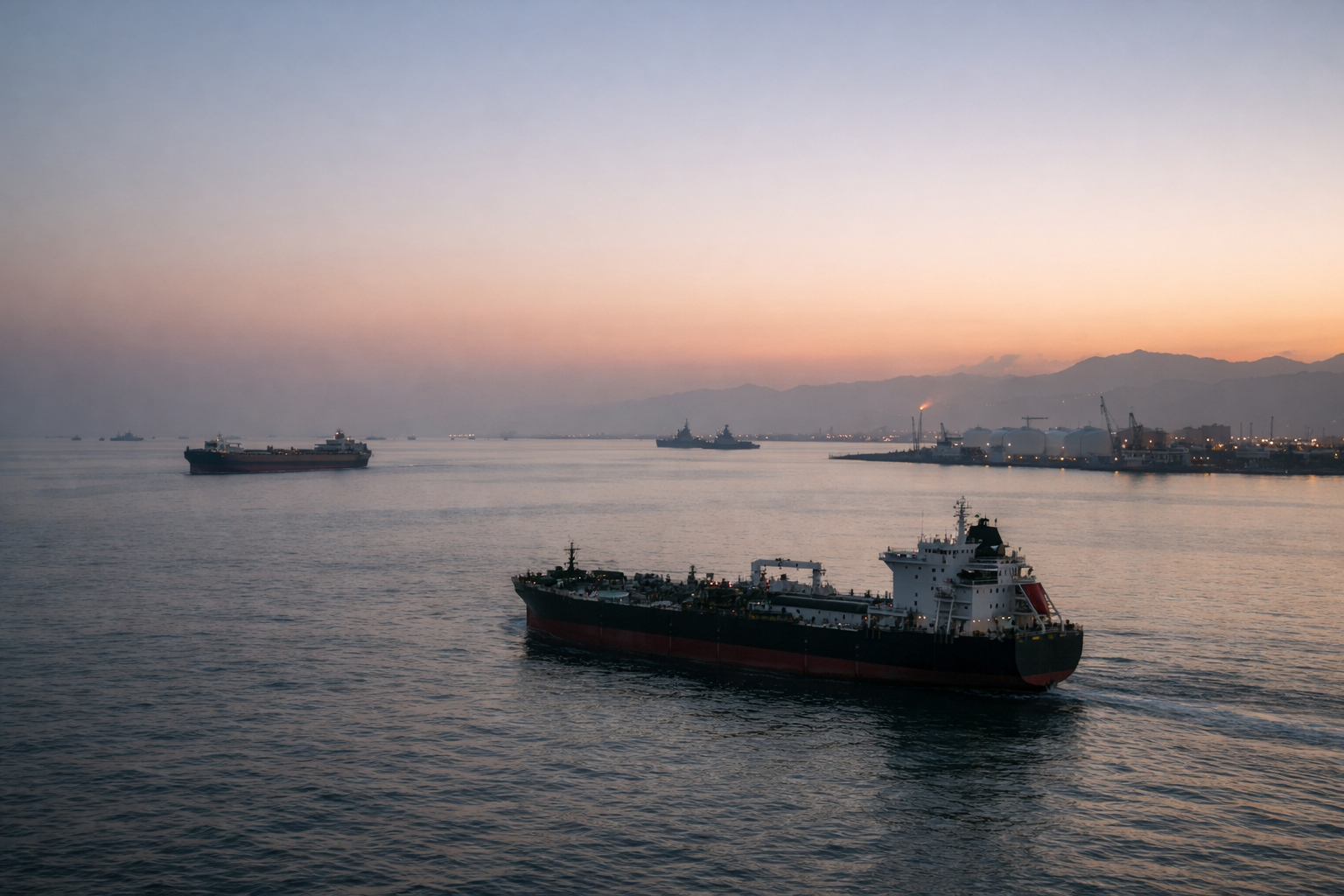
Traffic through the Strait of Hormuz, the world’s most important oil chokepoint, is still running at only a fraction of its normal pace. Recent shipping data showed tanker transits down about 90 percent from levels before the U.S. and Israeli attacks on Iran in late February. A small number of vessels have resumed passage, but overall movement remains a trickle, constrained by continuing military risk, elevated insurance costs and a U.S. naval blockade of Iranian ports that has not been lifted.
That gap between diplomatic progress and physical recovery is becoming one of the defining realities of the conflict’s aftermath. Even if negotiators reach a broader understanding in the coming days, restoring normal commerce is expected to take far longer.
Ajay Banga, the president of the World Bank, warned this week that once the strait is effectively reopened, it could still take months for shipping patterns to normalize. The reason is not simply whether passage is technically possible. Shipowners, insurers, commodity traders and refiners must all be persuaded that the route is safe enough, predictable enough and commercially viable enough to use again at scale.
A vital artery still partially frozen
The Strait of Hormuz carries a substantial share of the world’s seaborne crude and liquefied natural gas. Any prolonged disruption there tends to ripple quickly through oil markets, freight costs and inflation expectations far beyond the Gulf.
This latest disruption began after the war erupted on Feb. 28, when U.S. and Israeli attacks on Iran were followed by Iranian threats and attacks that effectively choked normal transit through the strait. Although a temporary cease-fire was announced on April 8, the restoration of maritime traffic has been halting. Much of the limited movement that has resumed appears to be tied either to Iran-linked trade or to specially negotiated voyages under unusual security arrangements.
For shipping companies, the barriers are as much financial as military. War-risk premiums remain high, crew safety concerns persist and the legal exposure surrounding sanctions and blockade enforcement has made many operators reluctant to re-enter the corridor. In energy markets, buyers and sellers may shift quickly on headlines, but tanker scheduling, cargo insurance and port logistics do not reset overnight.
That disconnect is now visible in global supply chains. Cargoes delayed in the Gulf are forcing refiners and importers to redraw sourcing plans, while exporters face mounting backlogs and uncertainty over delivery windows.
The repair bill is rising
The war has also left behind a large and costly trail of physical destruction. Rystad Energy said this week that damage to Middle Eastern energy infrastructure could total as much as $58 billion, with oil and gas facilities accounting for most of the losses.
That estimate underscores a broader concern beginning to take hold in the industry: even if open fighting subsides, parts of the region’s production and export system may remain impaired for months, and in some cases years.
Repairing major energy assets is rarely a simple matter of restarting pumps or reconnecting pipelines. Damage to export terminals, storage facilities, processing plants and gas infrastructure can require specialized equipment, engineering crews and imported parts that are often difficult to obtain under sanctions or wartime conditions. If critical components were destroyed, replacement timelines could stretch far beyond the horizon traders typically focus on.
The risk is especially acute for natural gas and liquefied natural gas infrastructure, where repairs can be technically complex and highly regulated. Oil output can sometimes be restored in stages, but export reliability depends on a wider network of terminals, loading facilities and shipping access — precisely the systems now under strain.
The economic shock is spreading
What began as a security crisis is now showing up more clearly in economic data.
In the United States, the effects have emerged both directly and indirectly: through higher fuel-related costs, pressure on wholesale prices and a deterioration in consumer sentiment as households absorb yet another geopolitical shock. The war has not produced a single dramatic dislocation so much as a broadening layer of cost increases and uncertainty.
Globally, the consequences are becoming difficult for policymakers to ignore. On April 14, the International Monetary Fund cut its 2026 global growth forecast to 3.1 percent from 3.3 percent, citing the war’s effect on energy prices and supply chains. The downgrade was modest in size but significant in implication: it suggested that the conflict is no longer being treated as a contained regional event, but as a drag on the wider world economy.
That matters because the global economy entered this episode already vulnerable to renewed inflation shocks, fragile manufacturing demand and politically sensitive energy prices. A disruption in Hormuz does not merely affect Gulf producers; it alters shipping patterns, inventory decisions, input costs and monetary policy assumptions across continents.
For the United States, the fallout is particularly awkward. The conflict has arrived at a moment when officials were already trying to sustain cooling inflation without tipping growth sharply lower. A war-driven increase in energy and transport costs complicates that balance, especially if businesses begin passing more of those costs to consumers.
Why markets may be too optimistic
Investors often respond quickly to the prospect of negotiations, and a meeting between U.S. and Iranian officials would almost certainly be read as a sign of de-escalation. But the underlying mechanics of recovery look far slower than the pace of market sentiment.
A durable reopening depends on several unresolved questions: whether talks produce an agreement that survives beyond April 21, whether Washington eases its maritime blockade, whether Iran curtails threats to commercial shipping, and whether insurers and shipowners regain enough confidence to restore normal service. None of those conditions has yet been fully met.
Even in the best-case scenario, the conflict has exposed how quickly trust can evaporate in one of the world’s most important energy corridors. Once that trust is broken, it takes more than a cease-fire to restore.
For now, the war’s most lasting impact may be this: the battlefield is quieter than it was, but the systems that power trade, energy and growth are still operating under wartime conditions.
Sources
Further reading and reporting used to add context:
- https://apnews.com/article/297a8d2bb94add26e503a4ef3a5d1151
- https://apnews.com/article/80f5a0a27bb28d9fe4236b961b60ab21
- https://apnews.com/article/5ede64fed469d3cf99524976183e3bfc
- https://www.axios.com/2026/04/15/iran-war-negotiations-deal-pakistan
- https://news.usni.org/2026/03/27/irgc-opens-tolled-passage-for-merchant-ships-in-strait-of-hormuz-transit-continues-to-trickle-through
- https://www.aljazeera.com/news/2026/4/14/how-many-ships-have-passed-the-strait-of-hormuz-and-how-many-were-attacked
- https://news.usni.org/2026/03/31/hegseth-downplays-risk-of-sailing-through-strait-of-hormuz-as-merchant-traffic-sees-small-increase
- https://www.aljazeera.com/economy/2026/3/18/iran-allowing-more-ships-through-strait-of-hormuz-data-shows
- https://www.al-monitor.com/originals/2026/04/strait-hormuz-traffic-remains-becalmed-despite-ceasefire
- https://www.aljazeera.com/economy/2026/4/10/shipping-in-strait-of-hormuz-at-a-trickle-despite-us-iran-ceasefire
- https://en.wikipedia.org/wiki/2026_Strait_of_Hormuz_crisis
- https://www.maritimenews.com/tanker/strait-hormuz-tanker-traffic-disrupted
- https://www.lloydslist.com/LL1156480/Tankers-shun-Strait-of-Hormuz-as-total-vessel-traffic-plunges
- https://apnews.com/article/e1dbb6d542c6c1b17f99671f4dcc7d81
- https://apnews.com/article/f45619d7ea3050bd4b1cdd9c3881ca2b
- https://apnews.com/article/6990c9ca0e19553b40c13af11b9c575b
- https://apnews.com/article/bf00c3105d5da88a0b01d9107ed4ecee
- https://www.kiplinger.com/investing/economy/cpi-report-march-2026-what-to-expect
- https://www.investing.com/news/stock-market-news/middle-east-war-damage-to-energy-assets-may-cost-up-to-58-billion-research-firm-rystad-says-4615893
- https://www.aa.com.tr/en/economy/war-linked-damage-to-middle-east-energy-infrastructure-may-cost-up-to-58b-rystad-energy/3906919
- https://www.forbes.com/sites/siladityaray/2026/03/26/us-inflation-may-hit-42-this-year-due-to-oil-price-surge-from-iran-war-oecd-warns/
- https://www.washingtonpost.com/business/2026/04/14/imf-global-economic-forecast-war/
- https://en.wikipedia.org/wiki/2026_Kharg_Island_attack
- https://finance.yahoo.com/economy/policy/articles/us-consumer-inflation-expected-surged-040706782.html
- https://en.wikipedia.org/wiki/2026_Karaj_B1_bridge_attack
- https://www.cfodive.com/news/economy-likely-faces-temporary-setback-iran-war-survey/817366/
- https://en.wikipedia.org/wiki/2026_South_Pars_field_attack
- https://finance.yahoo.com/economy/policy/articles/imf-cuts-global-growth-forecast-161236588.html
- https://www.rystadenergy.com/news/middle-east-conflict-rebuild-energy-cost
- https://en.wikipedia.org/wiki/2026_Aramco_refinery_attack
- https://www.investing.com/news/economy-news/us-jobs-data-to-give-economic-view-for-wargripped-markets-4584438
- https://www.deloitte.com/us/en/insights/topics/economy/iran-middle-east-conflict-impacts-global-economy.html
- https://en.wikipedia.org/wiki/2026_Qeshm_Island_desalination_plant_attack
- https://www.axios.com/2026/04/15/iran-war-imf-world-bank
- https://apnews.com/article/e3d8a239509abb50757f8c8d42fb32d8
- https://www.axios.com/2026/04/14/imf-iran-inflation-economy
- https://apnews.com/article/f70405a5ef0526371bd7b577b13c4796
- https://www.axios.com/2026/04/14/iran-war-global-economic-growth-damage-forecast
- https://moneyweek.com/economy/uk-economy/growth-downgrade-uk-iran-war-imf
- https://www.washingtonpost.com/business/2026/04/14/economy-imf-outlook-iran-war-trump-inflation-growth/841f8e00-3802-11f1-90c4-9772c7fabc03_story.html
- https://www.aljazeera.com/economy/2026/4/14/imf-cuts-global-growth-forecast-during-hormuz-blockade
- https://www.theguardian.com/business/live/2026/apr/14/iran-war-hurting-global-economic-growth-imf-meeting-rachel-reeves-oil-price-stock-markets-latest-updates?page=with%3Ablock-69de424b8f08dd62b7029dba
- https://finance.yahoo.com/economy/policy/articles/ukraine-down-russia-imf-growth-170152603.html
- https://www.investing.com/news/economy-news/imf-cuts-emerging-economies-growth-estimate-as-war-darkens-outlook-4612976
- https://finance.yahoo.com/economy/article/imf-lowers-growth-outlook-warns-of-global-recession-if-iran-oil-shock-is-severe-130000854.html
- https://www.lemonde.fr/en/economy/article/2026/04/14/how-war-is-reshaping-the-global-economy_6752411_19.html
- https://www.thenationalnews.com/business/economy/2026/04/14/imf-lowers-middle-east-growth-forecast-over-iran-war-shock//
- https://www.imf.org/en/news/articles/2026/04/14/tr-04142026-press-briefing-transcript-world-economic-outlook-spring-meetings-2026
- https://finance.yahoo.com/economy/articles/imf-lowers-global-growth-forecasts-160750403.html
- https://www.arabnews.com/node/2639910/amp
- https://en.wikipedia.org/wiki/2026_Strait_of_Hormuz_campaign
- https://en.wikipedia.org/wiki/2026_Iran_war_fuel_crisis
- https://live.worldbank.org/en/event/2026/ajay-banga-on-the-world-bank-groups-jobs-agenda-at-the-atlantic-council
- https://www.worldbank.org/en/region/mena/publication/middle-east-north-africa-afghanistan-and-pakistan-economic-update
- https://www.worldbank.org/en/news/speech/2025/06/26/remarks-by-world-bank-group-president-ajay-banga-at-the-signing-of-a-partnership-agreement-with-iaea
- https://www.worldbank.org/en/events/2025/04/21/2025-global-parliamentary-forum
- https://live.worldbank.org/en/event/2025/spring-meetings-opening-press-conference
- https://www.worldbank.org/
- https://www.worldbank.org/en/news/speech/2025/10/17/remarks-by-world-bank-group-president-ajay-banga-at-the-2025-annual-meetings-plenary
- https://www.worldbank.org/en/about/people/a/ajay-banga.print
- https://thedocs.worldbank.org/en/doc/3eba06287709efbfb29bd02c5df93370-0310012026/related/SAEU-April-2026-Chapter-1.pdf
- https://blogs.worldbank.org/en/team/j/josue-banga
- https://blogs.worldbank.org/en/developmenttalk/risks-and-challenges-in-global-agricultural-markets0
- https://www.worldbank.org/en/news/press-release/2024/10/15/world-bank-group-announces-new-financing-adjusts-pricing-terms
- https://www.worldbank.org/en/news/press-release/2024/04/25/commodity-markets-outlook-april-2024-press-release
- https://documents1.worldbank.org/curated/en/099090924123038257/pdf/P177965103384108e182061550709bfa14a.pdf
- https://documents1.worldbank.org/curated/en/099101725150512308/pdf/P161238-b947b61f-40f0-45ae-a2a8-0a2b2e1f62ce.pdf
- https://documents1.worldbank.org/curated/en/099062725113020850/pdf/P180664-b2b54222-ea41-45b3-911c-9a5579555014.pdf
- https://documents1.worldbank.org/curated/en/099811204022638042/pdf/IDU-66f03156-c7fc-4e51-b7a5-1f02b145573e.pdf
- https://documents1.worldbank.org/curated/en/099031126110042201/pdf/TF0D0895-e1fde0ab-07cb-4858-bf27-4f56217984c9.pdf
- https://www.nextbigfuture.com/2026/03/opening-hormuz-militarily-and-the-economic-time-pressure.html
- https://www.pbs.org/video/strait-of-hormuz-dis-1775682128/
- https://www.abhs.in/blog/hormuz-lng-disruption-ai-data-center-energy-costs-semiconductor-shortage-2026
- https://markets.financialcontent.com/bpas/article/marketminute-2026-3-4-asias-energy-lifeline-severed-the-strait-of-hormuz-blockade-and-the-2026-global-economic-crisis
- https://www.asiacommunique.com/p/asia-communique-6-april-2026
- https://www.businessupturn.com/world/world-bank-warns-iran-war-to-slash-global-growth-by-up-to-0-3-points-and-push-inflation-up-to-300-basis-points-even-if-ceasefire-holds/
- https://medium.com/%40chayanjoshi.cj/%EF%B8%8F-capital-and-chaos-79d05ff18280
- https://medium.com/%40slb5884/hormuz-beyond-crude-the-full-commodity-flow-disruption-fertilizer-dependence-cascade-420779688911
- https://multibaggershares.com/markets-stumble-on-hormuz-blockade-fears-but-this-is-where-fortunes-are-made-market-commentary-april-14-2026/
- https://climateandeconomy.com/2026/03/04/4th-march-2026-todays-round-up-of-economic-news/
- https://indianexpress.com/article/upsc-current-affairs/upsc-key-us-iran-talks-artemis-ii-jag-vikram-10632651/lite/
- https://www.abhs.in/blog/when-iran-war-ends-gulf-cloud-infrastructure-oil-prices-developer-impact-2026
- https://epaper.navhindtimes.in/PageImages/pdf/2026/03/12/121026-md-ga-08.pdf
- https://dailypioneer.com/uploads/2026/epaper/april/delhi-english-edition-2026-04-06.pdf
- https://epaper.kashmirthunder.in/uploads/epaper/2026-04/69d415bace1b4.pdf
- https://taranghealthalliance.org/wp-content/uploads/2025/09/The_Hindu-E_Papaer.pdf
- https://epaper.thesouthindiatimes.com/media/2026-03/vijayawada-tsit-14th-march–2026.pdf
- Pakistani army chief visits Tehran in bid to broker renewed talks between US and Iran
- Middle East war damage to energy assets may cost up to $58 billion, research firm Rystad says By Reuters
- Strait of Hormuz traffic remains becalmed despite ceasefire – AL-MONITOR: The Middle Eastʼs leading independent news source since 2012
- U.S. and Iran inch toward framework deal to end war, U.S. officials say