
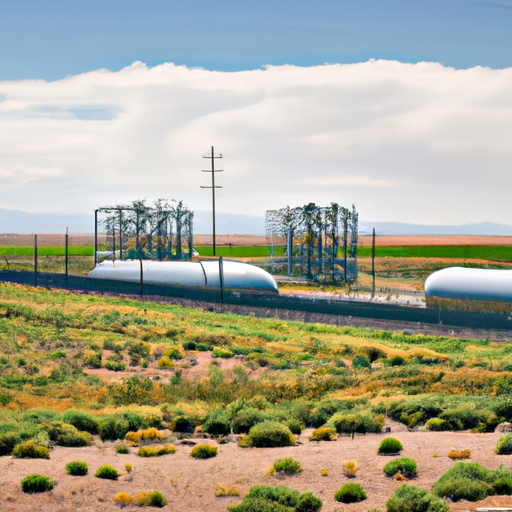
There’s a growing buzz surrounding the potential of hydrogen as a clean and versatile energy source. Proponents see it as a key solution in the fight against climate change, with applications ranging from fueling cars and trucks to powering homes and factories. However, as the world turns its attention to scaling up hydrogen technologies, a significant challenge remains: the transportation costs associated with this promising fuel.
Transporting hydrogen is nothing new. For decades, the industry has been utilizing pipelines, trucks, and ships to move the gas from production facilities to end-users. However, the cost factor has been a persistent roadblock. According to Murray Douglas, head of hydrogen research at Wood Mackenzie, “The industry knows how to transport hydrogen … it’s not new, it’s just expensive.”
One reason for the higher costs is the low density of hydrogen. As one of the lightest elements, it requires larger volumes to contain the same amount of energy as other fuels such as natural gas. This means that more substantial equipment, like specialized pipelines and storage tanks, must be used to handle and transport hydrogen effectively. These infrastructure requirements, combined with the relative scarcity of hydrogen distribution facilities, contribute to the hefty price tag associated with hydrogen transportation.
Another consideration is the need to ensure the safety of handling hydrogen, which adds additional complexity and costs. Due to its highly flammable nature, proper safety measures must be in place throughout the entire transportation process. This includes implementing robust leak detection systems, adequate ventilation, and adherence to strict regulatory standards to mitigate any potential risks. These safety precautions, while necessary, can contribute to the overall expense of transporting hydrogen.
To overcome these challenges and reduce costs, experts are exploring a range of innovative solutions. One approach gaining traction is the utilization of existing infrastructure designed for natural gas. By repurposing pipelines and storage facilities, the industry could leverage established networks to transport hydrogen more efficiently. Additionally, advancements in compression and liquefaction technologies could increase the density of hydrogen, allowing for greater volumes to be transported at lower costs.
Furthermore, investing in research and development is crucial to finding long-term solutions. Governments and industry players are dedicating resources to technologies like hydrogen carriers, which involve chemically binding hydrogen to a solid material, making it easier and safer to transport. These initiatives aim to make hydrogen transportation viable on a global scale, helping to unlock its significant potential as a clean energy source.
While the road ahead might be challenging, the rewards of overcoming these transportation hurdles could be considerable. Hydrogen offers a host of benefits, including zero carbon emissions and the ability to store excess energy for later use. As the world seeks to decarbonize transportation and achieve sustainable energy systems, finding cost-effective solutions to transport this powerful fuel is of paramount importance.
Despite the current obstacles, the industry is optimistic about the future. The continued innovation and collaboration of experts in the public and private sectors can pave the way for more affordable and efficient hydrogen transportation. As Murray Douglas aptly states, “Transportation is the missing link in the hydrogen chain. Once that’s cracked, we’re off to the races.”