
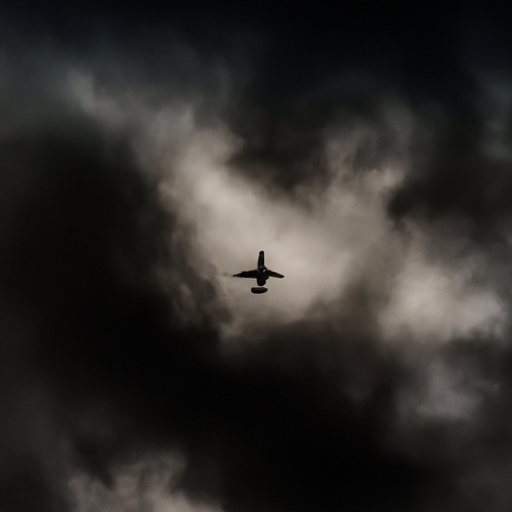
The fear of flying is real for many individuals, with the mere thought of turbulence evoking an unsettling sense of panic. And now, it seems that those fears may be justified. A recent study conducted by researchers at the University of Reading in England has revealed a troubling link between climate change and worsening turbulence in the skies.
For decades, scientists have been warning us about the consequences of global warming. Rising sea levels, extreme weather events, and the loss of biodiversity have dominated the conversation on climate change. But this new research sheds light on a lesser-known yet equally concerning impact – the impact on air travel.
The study, published in the journal Advances in Atmospheric Sciences, analyzes forty years of data collected from flights undertaken by commercial airliners. The researchers discovered a clear and alarming trend: as the planet warms, so does the turbulence in our atmosphere.
Turbulence is caused by disruptions in the flow of air, leading to incidents of unsteady and often uncomfortable movement experienced during flights. While turbulence is a natural occurrence, its intensity and frequency have increased in recent years, posing challenges for both passengers and the aviation industry.
Dr. Paul Williams, the lead author of the study, stated that “we expect increased clear-air turbulence in most of the world, specifically at altitudes where most of the airliners fly.” Clear-air turbulence refers to turbulence that occurs in cloudless skies without any visual cues, making it more difficult for pilots to anticipate and navigate through unpredictable patches of rough air.
One of the key factors contributing to this worsening turbulence is the strengthening of the jet stream – high-altitude winds that blow from west to east across the globe. As the Earth’s climate changes, the jet stream becomes stronger and more chaotic. This leads to an elevated risk of turbulence, especially as airline routes intersect with these high-speed air currents.
The consequences of this amplified turbulence are far-reaching. First and foremost, it affects the comfort and well-being of passengers. Sudden and severe turbulence episodes can cause injuries to those not properly secured in their seats, as well as psychological distress for those anxious about flying.
But turbulence also presents logistical challenges for the aviation industry. An increase in turbulence often prompts airlines to alter flight routes, adding time and cost to journeys. Furthermore, turbulence-related injuries have financial implications, as airlines may be liable for compensating affected passengers.
The research findings paint a bleak picture for frequent flyers and industry stakeholders alike. As the Earth’s climate continues to warm at an alarming pace, turbulence is likely to worsen, jeopardizing the smooth and safe passage of commercial airliners.
Addressing this issue requires urgent action on climate change. While technological advancements in aviation have improved the ability to detect and avoid turbulence, the root cause lies in reducing greenhouse gas emissions and curbing global warming. This necessitates ambitious and coordinated international efforts to transition to cleaner and more sustainable forms of energy.
As we grapple with the multifaceted challenges of climate change, it becomes increasingly evident that its impacts extend far beyond what we traditionally consider. From extreme weather events to biodiversity loss and now worsening turbulence, the urgency to tackle this global crisis has never been more apparent.
So, the next time you fasten your seatbelt and prepare for takeoff, remember that the bumpiness you experience up in the skies is not just a passing inconvenience – it’s a stark reminder of the far-reaching consequences of an overheating planet.