
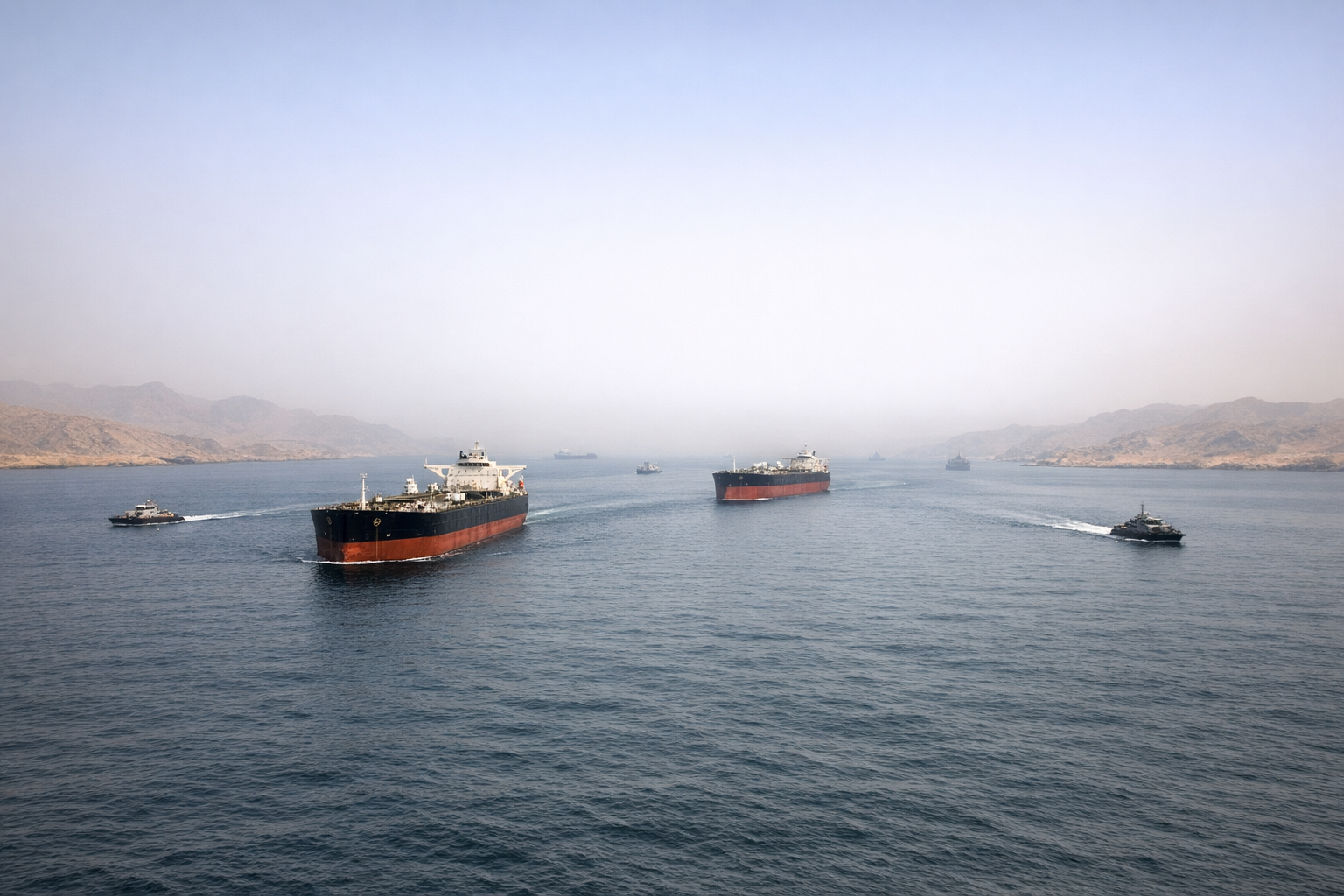
A ceasefire on paper, but not at sea
The fragile two-week ceasefire between the United States and Iran has done little to restore the oil artery that matters most to the global economy.
Days after the truce was announced on April 7, tanker traffic through the Strait of Hormuz remained severely depressed, oil prices were climbing again and energy executives were warning that the world’s most critical shipping chokepoint was still effectively constrained. Sultan Al Jaber, the head of Abu Dhabi’s state oil company, said on Thursday that the strait was “not open,” a blunt assessment that underscored how far the region remains from anything resembling normal trade.
That gap between diplomatic declarations and commercial reality is now shaping the global energy market. Traders and shipping analysts say the issue is no longer simply whether hostilities have paused, but whether shipowners, insurers and oil buyers believe passage is safe, unrestricted and predictable. So far, many do not.
Reuters reported that traffic through Hormuz remained well below 10 percent of normal levels, even after the ceasefire announcement. Analysts said there had been little meaningful rebound in tanker movements, and shipping specialists warned that a full recovery could take weeks, if not months.
A chokepoint still under pressure
The Strait of Hormuz is one of the world’s most consequential economic bottlenecks, linking the Persian Gulf to global markets. The International Energy Agency said it carried about 20 million barrels of oil a day in 2025, roughly a quarter of global seaborne oil trade. When flows through the passage are disrupted, the impact is immediate and worldwide.
The latest strains go beyond the strait itself. Iran-linked pressure on shipping has reportedly included attempts to impose tolls or transit fees on tankers, a move that would further politicize access to the waterway and deepen uncertainty over freedom of navigation. President Donald Trump warned Thursday that Iran “better stop now” if it was charging ships to pass.
But even if the threat of direct confrontation eases, the physical and financial damage from the conflict has already spread across the region’s energy system. Saudi infrastructure, including production facilities and the East-West pipeline that serves as a key bypass to Hormuz, has also come under attack, compounding the strain on global supply and narrowing the alternatives available to Gulf producers.
That has left energy markets contending with several disruptions at once: restricted transit through Hormuz, damaged export infrastructure elsewhere, a growing backlog of delayed shipments and sharply elevated insurance and security costs.
Why prices are staying high
Crude initially fell after news of the ceasefire, a reflection of hopes that the worst-case scenario — a prolonged closure of Hormuz — might be avoided. But those gains quickly faded as it became clear that the truce had not reopened the channel in practice.
Brent crude pushed back toward $100 a barrel on Thursday as investors questioned the durability of the ceasefire and the lack of improvement in shipping flows. Analysts say the price now reflects not just the risk of renewed fighting, but the more stubborn reality of a physical market under strain.
The U.S. Energy Information Administration has said the disruption forced Gulf producers to shut in 7.5 million barrels a day in March and that losses could rise to 9.1 million barrels a day in April. In its baseline outlook, it expects Brent to average $115 a barrel in the second quarter of 2026 and forecasts U.S. gasoline prices near $4.30 a gallon in April.
Those projections help explain why the market has remained tense even without an outright collapse in supply. Buyers are paying a risk premium not only for oil that may be harder to obtain, but for the uncertainty surrounding when normal flows can resume — and under what conditions.
The long road back to normal
Industry officials say reopening a maritime chokepoint is not like flipping a switch. A ceasefire may reduce the immediate military threat, but it does not automatically persuade shipowners to send vessels back into contested waters, or insurers to provide cover at manageable rates.
Weeks of disruption have left tankers out of position, cargo schedules snarled and buyers scrambling for alternatives. Restoring normal volumes depends on a series of decisions by commercial actors, many of whom are still waiting for evidence that the route can be used safely and without political interference.
That caution is reinforced by the broader scale of the crisis. The International Energy Agency has called the current disruption the largest in the history of the global oil market. In March, it released 400 million barrels of emergency stocks in an effort to cushion the blow. Strategic reserves and rerouting options have helped prevent a deeper immediate shock, but they are not substitutes for sustained, unrestricted Gulf exports.
Why it matters now
For now, the central question is whether the ceasefire can evolve into something more durable than a pause in fighting. Markets are watching not only for signs that Iran will permit passage through Hormuz without tolls or conditions, but also for evidence that damaged Saudi and Gulf infrastructure can return to service quickly enough to relieve the bottlenecks.
Until then, the world economy remains exposed to a conflict that has already moved beyond the battlefield and into fuel costs, shipping networks and inflation risks far from the Gulf.
The ceasefire may have reduced the odds of an immediate escalation. But as long as Hormuz remains only partially usable and confidence in safe passage remains elusive, the energy shock set off by the conflict will continue to reverberate well beyond the Middle East.
Sources
Further reading and reporting used to add context:
- https://www.axios.com/2026/04/09/iran-us-strait-of-hormuz-khamenei
- Oil prices sink and Asia markets and US stock futures jump as US and Iran agree to 2-week ceasefire | AP News
- https://apnews.com/article/2fc5ac7823bea71984b3578ec36aacee
- https://apnews.com/article/004f246d084871c4e2460a9baf786506
- https://www.axios.com/2026/04/07/oil-prices-plunge-us-iran-war-ceasefire-trump
- Strait of Hormuz not open, Abu Dhabi’s oil chief says as crude prices rise | Oil | The Guardian
- https://www.eia.gov/pressroom/releases/press586.php
- https://www.aljazeera.com/economy/2026/3/16/oil-prices-keep-rising-as-trump-seeks-coalition-to-reopen-strait-of-hormuz
- https://www.lemonde.fr/en/economy/article/2026/03/14/kharg-island-iran-s-key-oil-export-hub_6751437_19.html
- https://en.wikipedia.org/wiki/2026_Aramco_refinery_attack
- https://www.lines.com/prediction-markets/economy/strait-of-hormuz-traffic-returns-to-normal-by-april-30
- https://en.wikipedia.org/wiki/2026_Kharg_Island_attack
- https://gvwire.com/2026/04/09/oil-prices-rise-about-5-as-hormuz-concerns-keep-supply-risks-elevated/
- https://en.wikipedia.org/wiki/2026_Strait_of_Hormuz_crisis
- https://www.ksat.com/business/2026/03/01/opec-boosts-oil-production-after-attacks-on-iran-and-throughout-region/
- https://en.wikipedia.org/wiki/2026_South_Pars_field_attack
- https://en.wikipedia.org/wiki/2026_Qeshm_Island_desalination_plant_attack
- https://www.theguardian.com/world/2026/apr/08/will-shipping-in-the-strait-of-hormuz-and-oil-prices-return-to-normal/
- https://www.spglobal.com/en/research-insights/special-reports/saudi-oil-attacks
- https://www.axios.com/2026/03/13/iran-war-trump-officials-ship-escorts-hormuz-strait
- https://www.axios.com/2026/03/15/trump-gas-prices-iran-chris-wright
- https://www.wired.com/story/the-strait-of-hormuz-reopens-but-global-shipping-will-take-months-to-recover/
- https://apnews.com/article/f27e9560d1929732185da658e33d7fdb
- https://apnews.com/article/36037b31738bd9582f0ca617f292839d
- https://www.lemonde.fr/en/international/article/2026/03/12/oil-tankers-are-blocked-and-threatened-by-iranian-mines-in-strait-of-hormuz_6751374_4.html
- https://en.wikipedia.org/wiki/2026_Strait_of_Hormuz_campaign
- https://www.latimes.com/business/story/2026-04-08/oil-prices-sink-stocks-jump-as-u-s-iran-agree-to-ceasefire
- https://finance.yahoo.com/video/strait-of-hormuz-could-see-full-normalization-in-6-to-8-weeks-195833694.html
- https://en.wikipedia.org/wiki/2026_Iran_war_fuel_crisis
- https://www.shipuniverse.com/news/hormuz-reopens-on-paper-but-the-backlog-still-owns-the-trade/
- https://keyt.com/news/money-and-business/cnn-business-consumer/2026/04/09/despite-a-tenuous-ceasefire-ships-still-arent-going-through-the-strait-of-hormuz/
- https://www.finnotia.com/blog/oil-100-dollar-trump-strait-hormuz-iran-war-march-2026
- https://en.wikipedia.org/wiki/2025_Iran_threat_of_Strait_of_Hormuz_closure
- https://bestworldgroup.com/phil-will-the-strait-of-hormuz-reopen-to-all-international-maritime-lng-traffic-before-may-2026-4-2-2026/
- https://www.rigzone.com/news/oil_could_pass_100_as_strait_of_hormuz_traffic_halts-02-mar-2026-183099-article/
- https://www.thedailybeast.com/us-admiral-trolls-trump-for-aya-toll-booth-funding-iran/
- https://apnews.com/article/5c49b81c89bc694207db8e07ceba70ea
- https://apnews.com/article/e43e774a64341e3ad8d1b73823f07298
- https://apnews.com/article/3ef5dcd907122922db714d318c35317e
- https://www.theguardian.com/business/live/2026/apr/09/oil-stocks-fall-fragile-ceasefire-middle-east-business-news/
- https://www.washingtonpost.com/business/2026/04/09/stock-markets-trump-iran-ceasefire-oil/c5d8f20a-33cf-11f1-b85b-2cd751275c1d_story.html
- https://finance.yahoo.com/news/oil-crosses-110-for-the-first-time-since-2022-as-iran-war-keeps-strait-of-hormuz-closed-forces-shut-ins-224917473.html/
- https://www.theguardian.com/p/x4nay6
- https://www.cnbc.com/2025/06/15/oil-prices-jump-after-israel-strikes-energy-facilities-in-iran.html
- https://www.cnbc.com/2025/06/23/rbn-energy-exec-says-iran-isnt-likely-to-close-the-strait-of-hormuz.html
- https://www.cnbc.com/2025/06/13/how-freight-ships-preparing-for-israel-iran-strait-of-hormuz-risks.html
- https://apnews.com/article/85b036564fe87a205bc96e743cb22e83
- IEA Member countries to carry out largest ever oil stock release amid market disruptions from Middle East conflict – News – IEA
- https://www.iea.org/reports/sheltering-from-oil-shocks/summary
- https://www.iea.org/reports/oil-market-report-march-2026
- https://content.ballastmarkets.com/blog/2025-11-24-strait-hormuz-oil-chokepoint/
- https://discoveryalert.com.au/maritime-energy-chokepoints-strategic-importance-2026/
- https://www.vanguardngr.com/2026/03/oil-shock-largest-supply-disruption-in-history-iea/amp/
- https://www.theglobalstatistics.com/strait-of-hormuz-importance-statistics/
- https://en.wikipedia.org/wiki/2026_Philippine_energy_crisis
- https://geopol.uk/chokepoints/strait-of-hormuz/
- https://en.wikipedia.org/wiki/Economic_impact_of_the_2026_Iran_war
- https://www.thedefensenews.com/news-details/Saudi-Arabia-Redirects-Up-to-5-Million-BPD-of-Oil-Exports-to-Red-Sea-Port-of-Yanbu-After-Hormuz-Shipping-Halt/
- https://www.presstv.ir/Detail/2026/03/14/765350/Saudi-Arabia-cuts-oil-output-by-20–as-Iran-continues-to-control-traffic-in-Strait-of-Hormuz-Report
- https://www.linkedin.com/posts/wood-mackenzie_market-update-9-march-2026-escalation-activity-7436808318448414720-tkWf
- https://pgjonline.com/news/2026/april/attacks-cut-saudi-output-by-600-000-bpd-slash-east-west-pipeline-flows
- https://en.mercopress.com/2026/03/17/saudi-arabia-diverts-more-crude-to-the-red-sea-to-bypass-hormuz-but-alternative-capacity-remains-limited
- https://www.huandroid.com/en/saudi-pipeline-247-million/
- https://www.lemonde.fr/en/economy/article/2026/03/09/oil-passes-100-a-barrel-following-strait-of-hormuz-blockage-and-middle-east-war_6751232_19.html
- https://www.investing.com/news/commodities-news/exclusivesaudi-aramco-reducing-output-at-two-oilfields-two-sources-say-4549816
- https://world.infonasional.com/saudi-oil-output-pipeline-cut
- https://apnews.com/article/24c4b439d2c6a5b571fea90e4d1227d8
- https://discoveryalert.com.au/strategic-export-infrastructure-saudi-arabia-2026/
- https://profit.pakistantoday.com.pk/2026/03/19/saudi-oil-exports-shift-to-red-sea-as-yanbu-loadings-hit-3-8-million-bpd/
- https://www.worldenergynews.com/news/iran-war-causes-major-disruptions-oil-and-772169
- https://about.bnef.com/insights/commodities/iran-rattles-saudis-red-sea-oil-reset-heres-whats-at-stake/
- https://www.malaymail.com/news/world/2026/04/10/saudi-oil-output-slashed-600000-bpd-as-pipeline-strikes-hit-key-facilities/215744
- https://news.bitcoin.com/iran-strikes-saudi-pipeline-and-israel-launches-airstrikes-on-lebanon-hours-after-ceasefire-deal/
- https://www.aa.com.tr/en/energy/energy-diplomacy/saudi-arabia-cuts-production-to-propel-prices-revealing-strategy-over-supply/40509
- https://www.investing.com/news/commodities-news/attacks-on-saudi-facilities-threaten-spare-oil-capacity-price-hikes-1978120
- https://www.reddit.com/r/wallstreetbetsHUZZAH/comments/1sgmjzo/daily_discussion_thread_april_09_2026/
- https://www.business-standard.com/article/international/saudi-cuts-oil-output-to-half-after-drones-strike-heart-of-energy-system-119091500110_1.html
- https://ca.marketscreener.com/news/saudi-turkey-sign-agreement-for-renewable-energy-projects-saudi-state-news-agency-ce7e5bd3dd8df023
- https://krro.com/2026/03/02/qatar-halts-lng-production-saudi-refinery-iraqi-kurdish-and-israeli-oil-gas-fields-shut-amid-mideast-strikes/
- https://www.brecorder.com/news/amp/40415738
- https://www.wilsoncenter.org/article/saudi-crown-prince-gives-kicking-kingdoms-oil-addiction
- https://www.spglobal.com/energy/en/news-research/latest-news/crude-oil/070822-saudi-oil-whisperer-muhanna-warns-against-doubting-kingdoms-production-capacity
- https://www.tradingview.com/news/reuters.com%2C2025%3Anewsml_L2N3VM049%3A0-surging-opec-oil-output-leaves-market-with-shrinking-shock-absorbers-bousso/
- https://islamabadpost.com.pk/wp-content/uploads/2026/03/Islamabad-Pst-03-03-2026.pdf
- https://www.reddit.com/r/Destiny/comments/1ripo9s/saudi_arabias_aramco_oil_refinery_has_been_hit_by/
- https://www.gulf-times.com/pdf/2023/12/08/business-20231208-1.pdf?ts=003542
- https://ceomorningbrief.theedgemalaysia.com/pdf/2026/20260303_CMB_1112/260303sjncn7.pdf